
Skip to content

Learning series · Management & decisions · 7 lessons

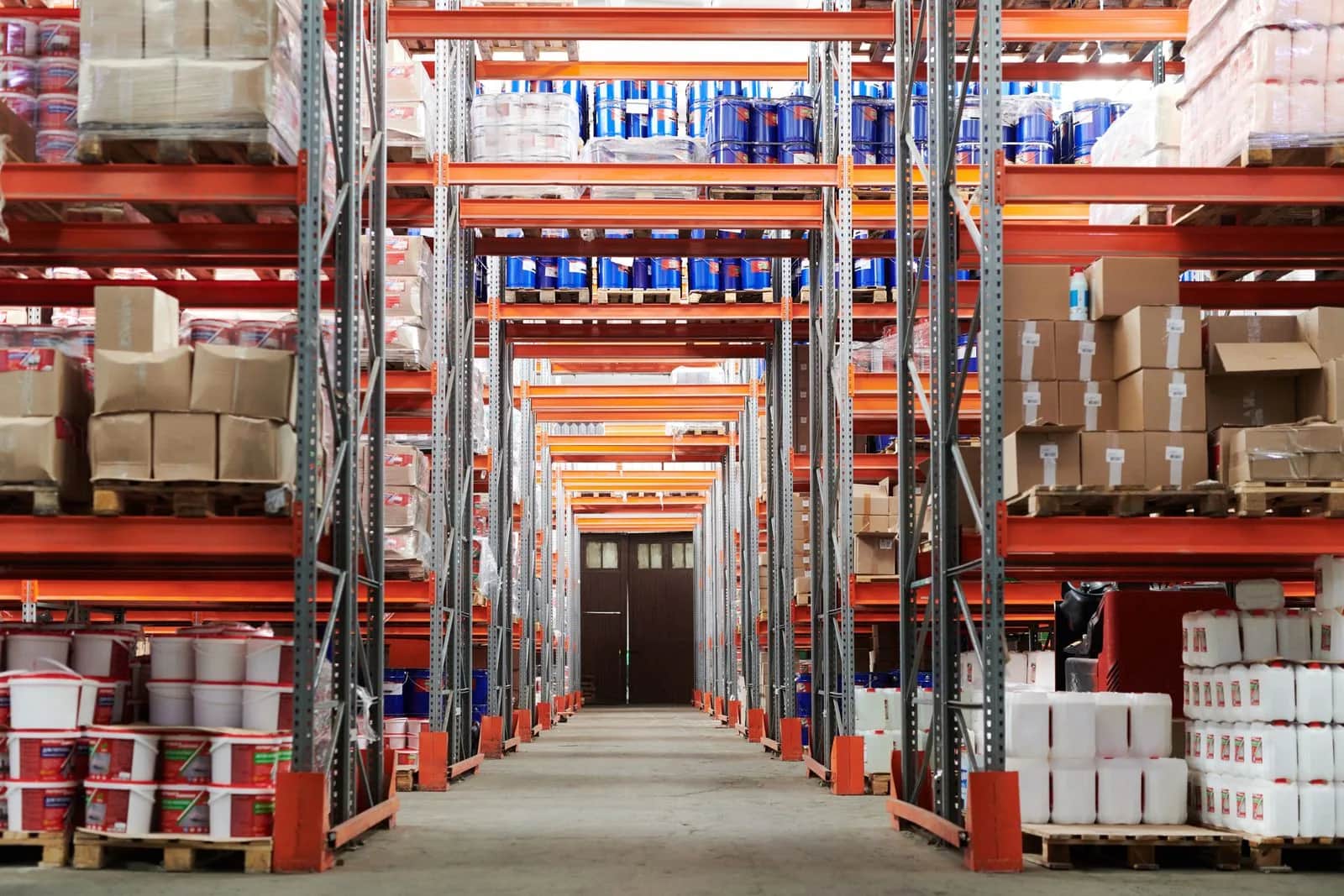
Digitizing the Factory and the Warehouse

An operations series for factory and warehouse owners: why recorded stock never matches the shelf, how every stock movement gets captured the moment it happens, how to trace a production order from raw material to finished goods, when and how much to reorder without stockouts or dead stock, how to trace a batch when something goes wrong, how to tie e-invoicing to warehouse movement, and a ninety-day roadmap that sequences the work correctly.

Start the series
Digitizing the Factory and the Warehouse
7 of 7 published

Lessons in this series

  1. 01Why Your Recorded Stock Never Matches the ShelfThe system says you have 400 cartons, the storekeeper says 340, and the line just stopped because one item ran out while it was still showing as available. This accuracy gap is not merely a stocktake problem; it is the root the rest of your factory and warehouse problems grow out of: emergency buying at a higher price, capital locked in dead stock, and pricing built on a costing that was never true. Part one of Digitizing the Factory and the Warehouse names where the gap opens and how to measure yours in a week.Part 1 of 7 · 7 min read
  2. 02Barcodes and Scanning: Capturing Every Stock Movement as It HappensA month-end stocktake does not close the accuracy gap; it tells you how big the gap was after the wrong decision has already been made. The fix is to capture the movement where and when it happens, instead of recording it later from memory. Part two of Digitizing the Factory and the Warehouse covers the five movements you must scan, why item coding comes before buying any hardware, when RFID is worth its cost, and how to get the storekeeper to actually use the device rather than work around it.Part 2 of 7 · 7 min read
  3. 03The Production Order: Tracing Output from Raw Material to Finished GoodsOnce warehouse movement is under control through scanning, the harder part remains: what happens between raw material leaving the store and finished goods arriving back in it. Part three of Digitizing the Factory and the Warehouse covers the bill of materials as the foundation, the production order and its states, why work in progress vanishes from your books, how scrap gets recorded instead of dissolving into stocktake variances, and why you cannot price a product with confidence until you know the actual cost of an order.Part 3 of 7 · 7 min read
  4. 04When to Reorder and How Much: Reorder Point and Safety StockOnce stock movement is captured as it happens and production orders carry an actual cost, you finally have the data that turns purchasing from a gut call into a calculation. Part four of Digitizing the Factory and the Warehouse covers average consumption, lead time and its variability, the reorder point, safety stock, ranking items by importance, the difference between a critical item running out and a slow item sitting still, and how to clear the dead stock that is holding your capital.Part 4 of 7 · 7 min read
  5. 05Batch Traceability: Knowing Where Every Lot Went When Something Goes WrongNow that quantities are under control and you know when and how much to order, a different kind of question remains: if a defect shows up in a product that left your plant, can you establish within hours which supplier the raw material came from and which customer received every unit of it? Part five of the Digitizing the Factory and the Warehouse series covers batch numbers, backward and forward traceability, expiry dates, and a mock recall you can run yourself.Part 5 of 7 · 7 min read
  6. 06E-Invoicing in the Factory and Warehouse: Integration, Not PrintingOnce you know where every lot went, one question still troubles the accountant and the storekeeper alike: why do the invoices not match what actually left the shelf? The problem is that most factories treat the electronic invoice as a document printed at the end of the process, when it is really the financial output of a stock movement that happened before it. Part six of the Digitizing the Factory and the Warehouse series explains how the sales order, the issue and the invoice connect, why keeping the two systems apart always fails, and how to handle returns and credit notes.Part 6 of 7 · 7 min read
  7. 07A Ninety-Day Roadmap for Digitizing Your Factory: Where to Start and in What OrderYou now know the accuracy gap, scanning, the production order, the reorder point, lot traceability and the invoice link. What remains is the piece most projects fall on: sequence. Doing everything at once is the fastest route to failure, and buying a system before cleaning up item codes is the second fastest. Part seven, the final part of the Digitizing the Factory and the Warehouse series, arranges the work into three thirty-day stages, and defines the numbers you capture before you begin and the indicators you run operations with afterwards.Part 7 of 7 · 7 min read

Want to apply this in your business?

In a free twenty-minute session we learn where you stand and suggest where to start.

Other series

Management & decisions7 lessons

Digitizing Real Estate and Hospitality

An operations series for property offices, unit owners and hotels: how to know each unit's status the moment it changes instead of a spreadsheet that lags a week, how collection and renewal become a process the system reminds you of rather than a task riding on one employee's memory, how to run maintenance requests from report to close, how to file contracts and attachments so you can find them when it matters, what e-invoicing requires of a registered lease and a brokerage commission, and how to read occupancy and overdue collection as numbers you decide with rather than reports you skim.

Start the series

Management & decisions7 lessons

Digitizing Contracting and Maintenance

An operations series for contracting and maintenance companies: where the profit actually leaks, how to move work orders out of WhatsApp into a system that tracks every request, how to schedule field teams, how to shift from fixing breakdowns to preventive maintenance, how to know the real margin on each project from payment application to actual cost, how to control spare parts across sites, and which indicators to run the operation on.

Start the series

Management & decisions5 lessons

The Road to the 2034 World Cup

A practical series for business owners preparing for the biggest event in the Kingdom's history: from surviving traffic spikes, to booking and payment systems, to multilingual customer service, to protecting the customer data you gather.

Start the series