Every WhatsApp API Reply to a Customer Costs 4 Halalas From 1 October, After Each Number's First 1,000 a Month
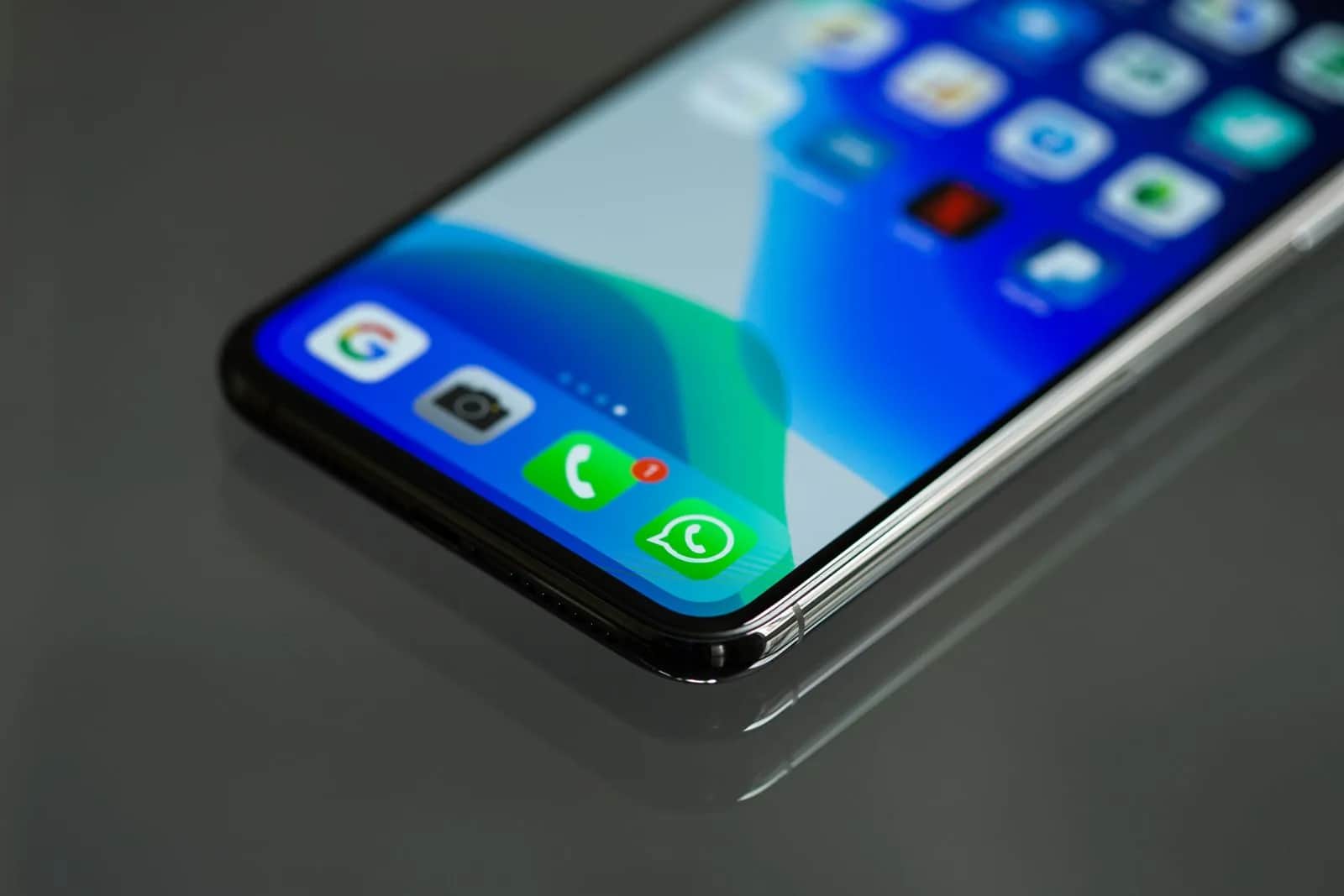
Every WhatsApp API Reply to a Customer Costs 4 Halalas From 1 October, After Each Number's First 1,000 a Month
From Thursday 1 October 2026, Meta starts charging for service messages on the WhatsApp Business Platform once a number passes its first 1,000 in a month. Service messages are the free-form replies that don't use a template, whether text, an image, a document or a button list, sent by your customer service staff or chatbot within 24 hours of a customer's last message. They have carried no fee since 1 November 2024. From Thursday, every one beyond the first 1,000 is charged individually.
The day before, Wednesday 30 September, is Meta's deadline for adding a payment method to your messaging account. Miss it and a customer may write to you and never get your reply. The change covers businesses that use the WhatsApp Business Platform (API) directly or through a provider, a customer service system or a chatbot, not the free app on your phone.
What exactly changes
- Every reply counts: service messages are charged per message delivered to the customer, not per conversation. Messages customers send to you stay free.
- 1,000 free per number: each business phone number gets 1,000 free service messages a month, and group messages sent through the platform draw on the same allowance, one unit per member reached. Unused messages do not roll over to the next month.
- The Saudi price: on the SAR rate card Meta published for 1 October 2026, a service message costs SAR 0.0401 (USD 0.0107), the same as utility templates and authentication messages, with no volume discounts on service messages. Meta prices by the customer's number, so this is the rate for replies to Saudi numbers; a reply to a UAE or Egyptian number is charged at that country's rate.
- Utility templates inside the reply window: utility templates you send in reply to a customer within 24 hours of their message, such as an order confirmation or a shipping update, have been free since 1 July 2025 and become paid on 1 October. They do not draw on the free allowance, which covers service messages only, so utility templates are charged from the first message.
- Marketing gets pricier: on the same day, the rate for a marketing message to a Saudi number rises from SAR 0.1877 to SAR 0.2159.
Who is affected, and who isn't
The change covers every business that replies to customers through the WhatsApp Business Platform, whether it connected directly or through a solution provider, or via a customer service system, online store or CRM that sends and receives messages on the company number.
As for the free WhatsApp Business app on your phone, Meta's documentation says messages sent from the app stay free, even when the same number is also connected to the platform, and that charges apply only to what is sent through the platform.
The point many people miss: chatbot replies are service messages. Meta states that any free-form message that doesn't use a template and isn't powered by its own Meta Business Agent is a service message, whether a person or a third-party AI wrote it. So every reply your bot sends draws on the same allowance and, beyond it, is charged at the same rate, on top of what you pay your AI provider.
Meta's own agent has been billed differently since 1 August 2026: USD 2 per million tokens, which Meta estimates at about 4 to 5 US cents per message. That price covers both the AI processing and delivery, so it does not compare directly with the service rate, which excludes what you pay your AI provider.
What happens without a payment method by 30 September
Meta's page on free-form messages says that from 1 October it will stop delivering service messages for any solution provider or directly integrated business that has no payment method on file by 30 September 2026. The main pricing page, updated on 10 September, is gentler: without a payment method, Meta delivers service messages within the free allowance, then stops delivering them once it is used up.
Some providers read the rule strictly and warn that all replies stop from day one. Even under the gentler reading, replies stop once the number's 1,000 free messages run out, which a busy number can hit within days. Don't bet on it: add the payment method before the deadline.
- If you connect to the platform directly: add the card in Meta Business Suite under Settings, then Billing & payments, then Messaging accounts, and choose Add payment method. Meta accepts Visa and Mastercard, Saudi Arabia is on its list of countries supported for card billing, and SAR is among the available currencies.
- If you go through a provider: Meta says payment is arranged with the provider, and businesses that signed up through a provider's embedded sign-up run on that provider's credit line and pay the provider directly. Ask them today: is the payment method on your side or ours, and does our prepaid balance cover what comes after 1 October?
The new rates start at midnight in the time zone set on your messaging account, not necessarily Riyadh time, so don't leave it to the evening of 30 September. Note too that some Meta Help Center pages have not been updated and still describe service messages as free; the reference is Meta's developer documentation, updated in September.
Work out the bill before it arrives
The formula is simple: the service messages each number sends in a month, minus 1,000, multiplied by SAR 0.0401 for customers on Saudi numbers. A number that sends 6,000 replies a month pays Meta for 5,000 messages, about SAR 200 a month, before any fee your provider adds. Add any utility templates you send inside the reply window: those are charged from the first message.
That is not a large sum for most businesses, but it grows with reply volume and balloons when a bot sends three messages where one would do. To find your real number:
- Open the Insights tab in WhatsApp Manager and pull last month's message count per number. Meta notes that these figures are approximate and may differ from your invoice.
- If you are billed through a provider, estimated charges won't show there, so ask the provider for the figures.
- Ask your provider for its own price per service message. Meta says pricing between a business and its provider is agreed solely between the two. Some providers add a percentage on top of Meta's rate, which came to nothing on service messages while their price was zero and becomes real money from 1 October, and some add a fixed fee per message.
Cut the messages you don't need
After 1 October, conversation design becomes a financial decision. Review your reply flow with these questions:
- How many messages does the bot send before it answers? A greeting, then a menu, then a please-wait, then the answer: four messages, counted as four. One clear message is usually enough.
- Are you sending confirmations nobody reads? Every automatic message after an order closes, or a thank-you for a rating, now has a price once the allowance runs out.
- Do you send to WhatsApp groups through the platform? A group message sent through the platform draws on the allowance once for every member it reaches.
- Do you run Click to WhatsApp ads? A conversation a customer starts from one of these ads or from a WhatsApp button on a Facebook Page, using WhatsApp on an Android or iOS phone rather than desktop or web, opens a free 72-hour window if you reply within 24 hours, and that stays free after 1 October. The ad itself is paid for like any other ad.
And if your bot runs on AI, as we explained in Automating Customer Service with WhatsApp and AI Chatbots, you now pay twice on every reply beyond the free allowance: once to the AI provider and once to Meta. That is one more reason to send a single complete answer instead of a string of short messages.
The Origami view
Many businesses treated WhatsApp as a free channel and built their entire customer service on it without counting messages. That doesn't take away the channel's value: 4 halalas per reply is small next to a customer who got an answer on time. The real risk is not the price. It is replies that stop after 1 October because nobody added a payment method, and a bot that sends four messages where one would do.
In the systems we build, we treat every automated message as a line item with a cost: we measure messages per conversation, combine a reply into one complete message, and answer recurring questions straight from the source data. Meta may change prices on the first day of any quarter, so a system that knows how many messages it sends turns the next change into a calculated decision rather than a surprise.
The takeaway: three steps, starting today
- Today: make sure your messaging account has a payment method, or get written confirmation from your provider that it is covered.
- This week: pull last month's reply count per number and estimate the cost at both Meta's rate and your provider's.
- This month: review your bot flow and automated messages, and cut every message that adds nothing for the customer.
Sources
- Meta — Pricing on the WhatsApp Business Platform, including rate cards effective 1 October 2026 (updated 10 September 2026)
- Meta — Upcoming pricing updates for Meta Business Agent, service and utility messages
- Meta — Onboarding WhatsApp Business app users (app messages stay free)
- Meta Business Help Center — Add a credit card to your WhatsApp Business Platform account
- Meta Business Help Center — Supported countries for WhatsApp Business credit card billing
- Meta Business Help Center — Paying through your solution partner's credit line
- Meta Business Help Center — View message insights in WhatsApp Manager
- 360dialog — WhatsApp service message charging, October 2026
- respond.io — WhatsApp pricing change 2026 and provider markups
- Twilio — WhatsApp service messages from 1 October 2026 and provider per-message fees
Frequently asked questions
Does the change apply to the free WhatsApp Business app on my phone?+
No. The charges apply to messages sent through the WhatsApp Business Platform (API), whether directly, through a solution provider or through a system connected to it. Meta's documentation says messages sent from the WhatsApp Business app stay free.
How much does one reply to a customer cost in Saudi Arabia after 1 October?+
On Meta's rate card effective 1 October 2026, a service message to a Saudi number costs SAR 0.0401 (USD 0.0107), charged after the first 1,000 free messages per business phone number each month. A reply to a number from another country is charged at that country's rate, and your solution provider may add its own fee on top.
What happens if I don't add a payment method by 30 September?+
Your replies to customers may stop. According to Meta's main pricing page, updated on 10 September, Meta delivers the first 1,000 service messages per number each month and stops delivering after that, while another Meta page says delivery stops from 1 October. The safe course is to add a payment method before the deadline, and if you work through a solution provider, get written confirmation from them that it is covered.
Do chatbot replies count as paid service messages?+
Yes. Any free-form message that doesn't use a template and isn't powered by Meta's own agent is a service message, whether a person or a third-party AI wrote it. So every reply your bot sends draws on the 1,000 free messages per number each month, then is charged at the same rate as a human reply. Meta Business Agent itself is billed by tokens, which Meta estimates at about 4 to 5 US cents per message.
Follow Origami in Google
Pin Origami as a preferred source and our articles will surface first for you in Google Search and Top Stories.
Related articles
- Business SystemsFleet Management and Vehicle Tracking Systems: A Practical Guide for Saudi BusinessesHow to turn your vehicles from an unexplained cost line into a measured operation: tracking, Wasl compliance, preventive maintenance, and integration with your systems.
- Business SystemsHR and Payroll Systems for Saudi Businesses: What You Actually Need and How to ChooseA practical guide to choosing an HR and payroll system in Saudi Arabia: what it must cover, how it connects to Mudad, GOSI and Qiwa, and when custom beats off-the-shelf.
- Business SystemsThe Rodri Transfer Lesson: Why Performance Does Not Move With the Asset You BuyBarcelona are closing in on Rodri, and the question occupying analysts is the same one facing every manager who buys the best system on the market or hires the strongest candidate: does performance travel with the asset, or is it a property of the system that produced it? A technical and managerial read of a deal that is not done yet.
- Business SystemsField Service Management Software: Run Technicians and Work Orders From One PlaceA practical guide for Saudi maintenance and service companies: what field service management software is, when you need it, its core modules, and how to connect it to e-invoicing.
- Business SystemsKnowledge Management: Why It's Your Company's Most Valuable Asset — and How to Stop It LeakingKnowledge is your company's most valuable asset, yet the only one that walks out the door every evening. Knowledge management keeps your company's expertise available to your team instead of trapped in people's heads — and with AI it's more powerful than ever. A practical guide for business owners.
- Business SystemsCRM Systems for Saudi Businesses: A Guide to Choosing the Right Customer PlatformA practical guide for Saudi business owners: what a CRM is, the signs you truly need one, how it differs from ERP, and how to choose the right system without overpaying.
Have a project in mind?
We build custom systems, apps and websites for your business. Tell us your idea and we will give you a straight answer on it.
