Smart Stadium Technology: The IoT and Software Behind World Cup 2026 Venues
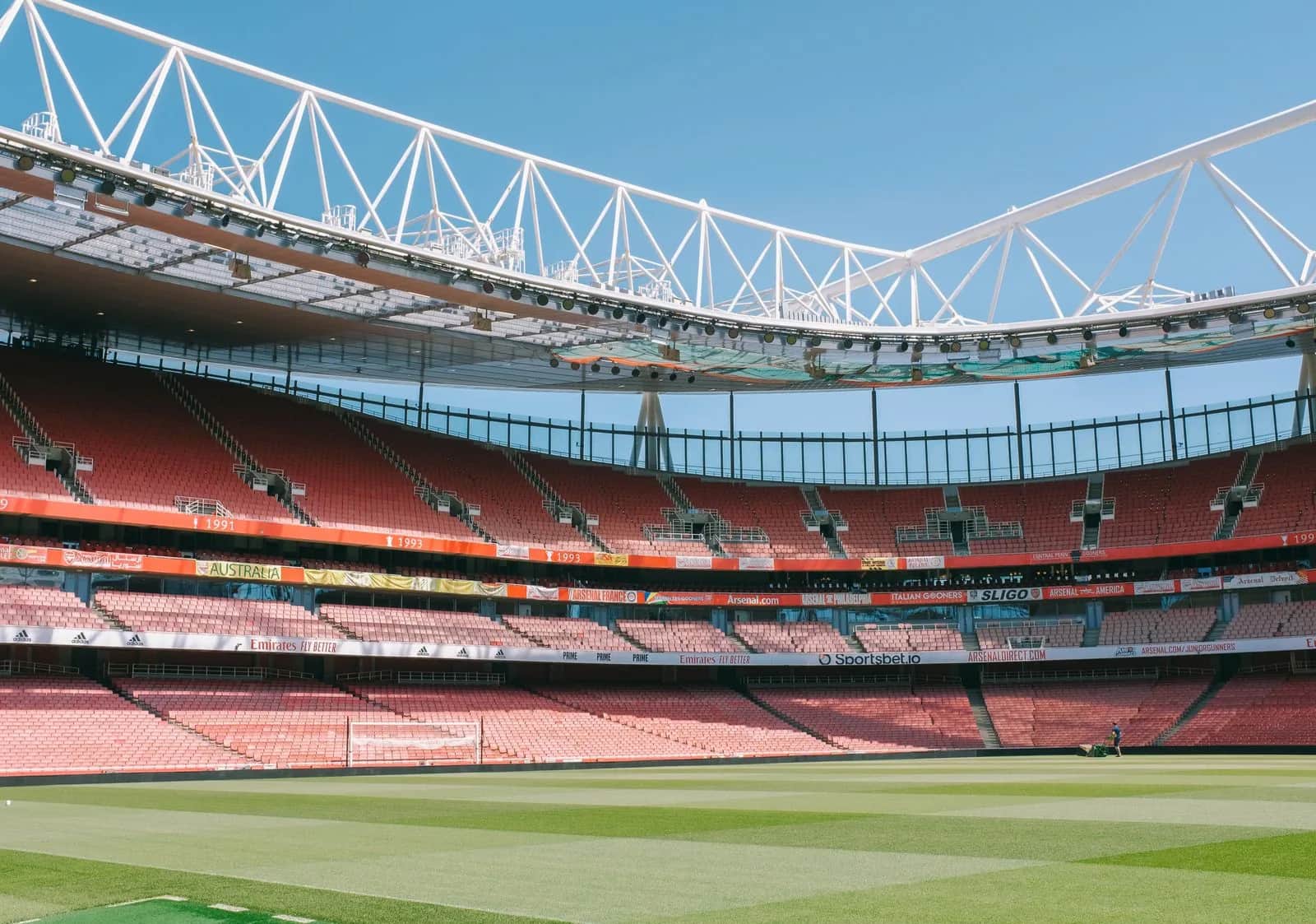

What Makes a World Cup Stadium "Smart"?
A smart stadium is a venue where thousands of connected sensors, high-density networks, and integrated software work together to manage everything from crowd flow and security to ticketing, payments, and energy use in real time. For the FIFA World Cup 2026 — hosted across the United States, Canada, and Mexico — venues are being upgraded with the kind of digital infrastructure that turns a concrete bowl into a responsive, data-driven environment. The same architecture now shapes Saudi Arabia's giga-projects and its preparations to host the World Cup in 2034, which makes this far more than a sports story for local businesses.
Below we break down the core technology layers behind a modern stadium, and how the very same patterns power smart retail, smart buildings, and facility-management projects across the Kingdom.
The Connectivity Layer: Wi-Fi 6 and Private 5G
A full stadium can hold 60,000 to 80,000 fans, each carrying one or more devices, all trying to stream, post, and pay at the same moment. This is one of the hardest networking challenges in the world. Venues solve it with high-density Wi-Fi 6 access points placed under seats and along concourses, often combined with private 5G networks that guarantee bandwidth for critical operations such as payments, broadcast, and security cameras. The lesson for any business is the same: capacity planning matters most under peak load, not on an average day.
The IoT Layer: Sensors That See Everything
Smart stadiums are blanketed with Internet of Things devices: people-counting sensors at gates, computer-vision cameras that estimate crowd density, environmental sensors for temperature and air quality, smart meters for water and electricity, and equipment monitors on escalators, elevators, and HVAC systems. This data streams into a central platform where operators see the whole venue as a live dashboard. When a concourse gets too crowded or a chiller starts to fail, the system flags it before it becomes a problem.
Digital Ticketing, Access Control, and Fan ID
Paper tickets are largely gone. Modern venues use mobile tickets with rotating QR or NFC codes, biometric or Fan ID entry, and access-control systems that tie every gate to a central identity database. This cuts fraud and counterfeit tickets dramatically and shortens entry queues. The underlying pattern — secure digital identity plus real-time validation — is exactly what businesses need for membership apps, gated events, and loyalty programs.
Cashless Payments and Concessions
During a match, tens of thousands of fans buy food, drinks, and merchandise in short, intense bursts at half-time. Cashless and contactless payments, self-service kiosks, and mobile ordering keep queues moving. Behind the scenes, this requires payment systems that stay fast and reliable under sudden spikes — the same engineering challenge Saudi e-commerce stores face during flash sales and big match nights.
Crowd Analytics and Safety
Computer vision and sensor fusion let operators monitor crowd movement, detect bottlenecks, and respond to incidents in seconds. Digital signage can redirect fans to less crowded gates, and emergency systems integrate with the same platform. Safety, in a smart venue, is a software problem as much as a physical one.
The Digital Twin: Running the Stadium Before It Opens
Many new venues are built with a digital twin — a live virtual model of the building fed by real sensor data. Operators simulate crowd flows, energy use, and emergency scenarios before opening night, then keep using the twin to optimize daily operations. This is the cutting edge of facility management, and it is increasingly standard in Saudi giga-projects.
A stadium is no longer a building with technology added on top — it is a software platform that happens to hold a football match.
What This Means for Saudi Businesses
You may never build a stadium, but the building blocks are the same ones Origami delivers every day: integrating IoT sensors into a single dashboard, connecting payment and ticketing systems through APIs, building mobile apps that handle real-time data, and designing platforms that stay reliable under peak load. As the Kingdom prepares for 2034 and pushes Vision 2030's smart-city agenda, the demand for these skills in retail, facilities, events, and hospitality is only growing.
How Origami Can Help
Origami is a software and AI company that builds the integration, IoT, and real-time platforms behind smart facilities and high-traffic digital products for Saudi businesses. From systems integration and custom dashboards to mobile apps and payment connectivity, we design solutions around your operations — whether you run a retail chain, a venue, or a facility-management business — and support you from planning through long-term operation.
Sources
- FIFA — Official site: fifa.com
- FIFA World Cup 2026 — host nations and venues: fifa.com/worldcup
Frequently asked questions
What is a smart stadium?+
A smart stadium is a venue where connected IoT sensors, high-density networks, and integrated software manage crowd flow, security, ticketing, payments, and energy use in real time, turning the building into a data-driven platform.
What technology will be used in World Cup 2026 stadiums?+
Expect high-density Wi-Fi 6 and private 5G networks, mobile and biometric ticketing, cashless payments, IoT sensors for crowd and equipment monitoring, computer-vision crowd analytics, and in many cases a digital twin of the venue.
How is smart stadium technology relevant to Saudi businesses?+
The same building blocks — IoT integration, real-time dashboards, API-connected payments, and apps that handle peak traffic — power smart retail, facility management, and events. With Saudi Arabia hosting the 2034 World Cup, demand for these skills is rising fast.
Can Origami build IoT and smart-facility software?+
Yes. Origami delivers systems integration, IoT dashboards, mobile apps, and high-traffic platforms for Saudi businesses, designing each solution around your operations and supporting it from planning through long-term operation.
Follow Origami in Google
Pin Origami as a preferred source and our articles will surface first for you in Google Search and Top Stories.
Related articles
- TechnologyBiometric Access Control at World Cup 2026 Stadiums: How Facial Recognition Entry WorksHow do World Cup 2026 stadiums verify fans by face in seconds? We explain biometric entry, the privacy and PDPL trade-off, and the lesson for your business.
- TechnologyWorkforce and Volunteer Scheduling Software: The Technology Behind Staffing the World Cup 2026How does a World Cup staff itself? Purpose-built workforce scheduling and accreditation software coordinates tens of thousands of staff and volunteers in real time.
- TechnologySmart Crowd Management and Mobility Technology at the 2026 World Cup: A Business GuideHow does the World Cup move millions of fans safely? Inside the smart crowd management, mobility, and real-time data tech behind it, and its lessons for business.
- TechnologyHotel Booking and Revenue Management Technology for the World Cup 2026 Travel SurgeThe World Cup 2026 fills hotels within weeks. A practical guide to the direct booking engine, channel manager, and AI revenue management that turn the surge into your highest revenue.
- TechnologyDigital Ticketing at Scale: The Engineering Behind Selling Millions of World Cup 2026 TicketsHow do platforms sell millions of World Cup 2026 tickets without crashing? A practical guide to virtual queues, inventory locks, and anti-scalper security.
- TechnologyLive-Streaming Engineering Behind the 2026 World Cup: How Matches Reach Millions of ScreensHow does the 2026 World Cup reach millions of screens in seconds? Inside adaptive bitrate, CDNs, low latency, and anti-piracy — and the lessons for your business.
Have a project in mind?
We build custom systems, apps and websites for your business. Tell us your idea and we will give you a straight answer on it.
