Live-Streaming Engineering Behind the 2026 World Cup: How Matches Reach Millions of Screens
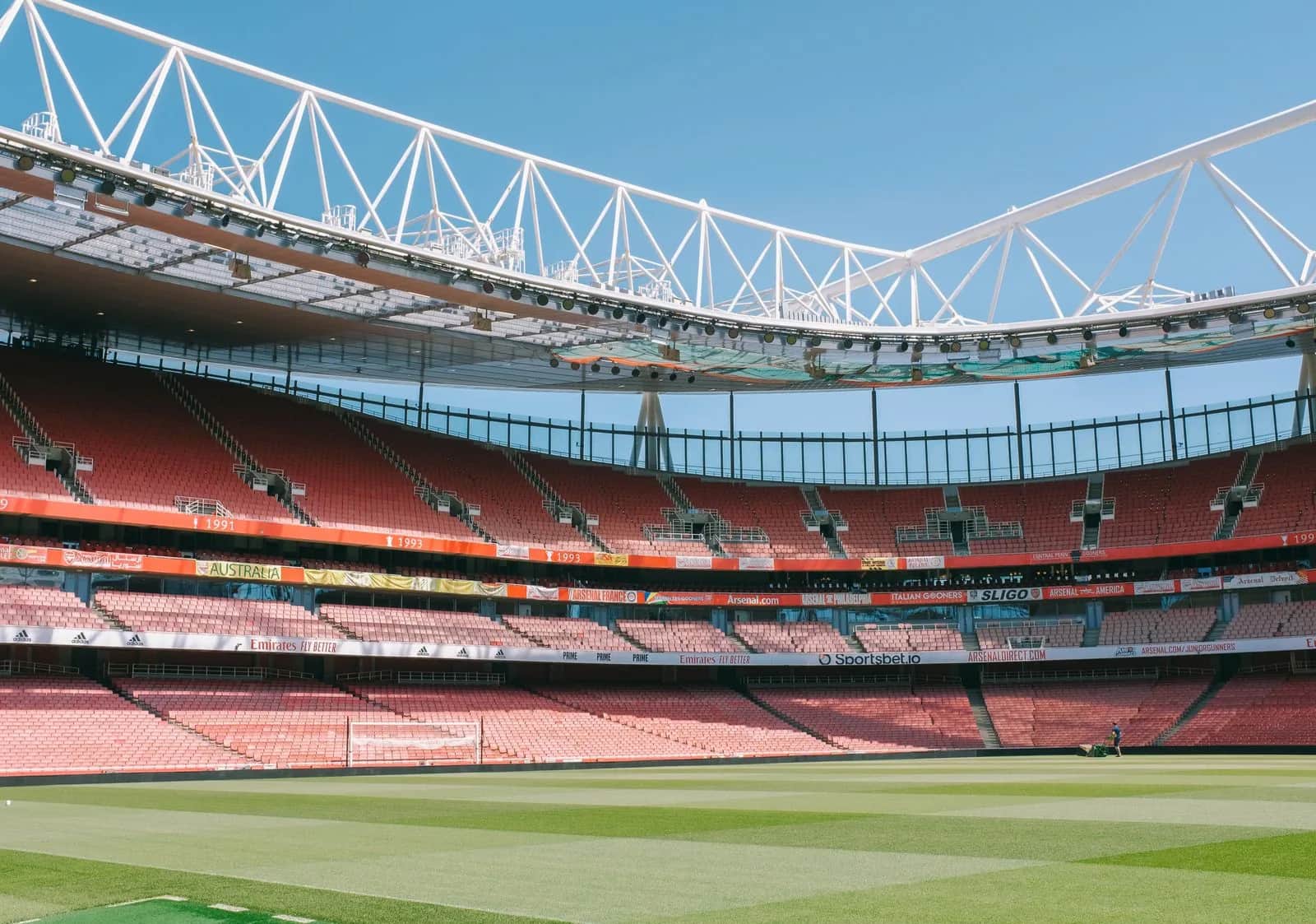

Live-Streaming Engineering Behind the 2026 World Cup: How Matches Reach Millions of Screens
In short: when you watch a 2026 World Cup match live on your phone, you are seeing the result of a complex engineering chain that runs in fractions of a second. The picture is captured at the stadium, compressed and converted into several quality levels, distributed through networks close to you around the world, then decoded on your screen with protection against piracy. Millions of viewers at once, each demanding the highest quality their connection allows with the lowest possible delay. This is not a sporting miracle; it is live-streaming engineering — and the same building blocks let companies build platforms for education, live shopping, and corporate broadcasting.
Why is live sport the hardest streaming challenge?
Streaming a recorded film is relatively easy: the content is ready and can be cached everywhere before anyone requests it. A live match, however, has three brutal traits. First, the event is happening now, so nothing can be pre-cached. Second, every subscriber wants the lowest possible delay so they do not hear the neighbors cheer before they see the goal on their own screen. Third, the peak is perfectly synchronized; at the goal, everyone hits replay in the same second. Together these make live sport the summit of video engineering.
Encoding and Adaptive Bitrate
You cannot send one copy of the video to everyone. A viewer on fiber wants very high resolution, while someone on a weak mobile network needs a light version so the picture does not stutter. The solution is to encode a ladder of quality levels in real time, then split each level into small segments a few seconds long. The video player on your device constantly measures your connection speed and jumps between rungs of the ladder automatically: it raises quality when the connection improves and lowers it before the picture freezes. This is adaptive bitrate streaming, the secret to smooth viewing across networks of uneven strength.
Content Delivery Networks and Multi-CDN
If all this video came from a single server, it would choke in seconds. So the content is distributed across a content delivery network made of hundreds of servers geographically close to viewers, so a viewer in Riyadh is served from a nearby point rather than another continent. For major events, platforms rely on a multi-CDN approach — more than one delivery provider at once — so if one falters, the load automatically shifts to another without the viewer noticing. Geographic distribution and redundancy are what turn a single server into infrastructure capable of serving continents in the same instant.
The battle of seconds: low latency
Traditional streaming technology is reliable, but it can add a delay of up to around thirty seconds — a disaster during a match whose goals people discuss on their phones instantly. So platforms are moving to low-latency protocols that shrink the gap to a few seconds or less. Every second of latency removed brings the experience closer to real time, but it demands finer engineering and a balance between speed and stability; streaming that is too aggressive can stutter on weak networks. Choosing the right balance is a considered engineering decision, not an off-the-shelf setting toggled with one click.
Anti-piracy: encryption and the hidden watermark
Live broadcasts of major events are a tempting target for piracy, and every stolen minute is a loss of valuable rights. So protection works in layers: digital rights management encrypts the video so it is decoded only on a licensed device, and forensic watermarking embeds an invisible fingerprint in each copy that reveals the source of a leak within minutes so the stream can be cut off. These are the same principles that protect any paid content: a training course, a film, or a sensitive corporate broadcast. It is not enough to broadcast; you must control who watches and how.
The lesson for Saudi businesses
You may not broadcast the World Cup, but live streaming has become an everyday business tool: live shopping that sells thousands of items in one session, online education and training, virtual conferences and events, and game streaming. All of them face the same challenges at a smaller scale: adaptive quality, delivery close to the viewer, low latency, and protection of paid content. The difference between a stream that stutters and gets stolen and one that is smooth and secure is the right engineering from the start. That is what we build at Origami: streaming platforms and apps that withstand the peak, protect the content, and are tailored to the nature of your business.
The stars are on the pitch, but the real hero behind the scenes is the streaming infrastructure that carries the moment to millions of screens without anyone noticing.
Conclusion
A match reaching your screen in seconds is a hidden engineering achievement: adaptive encoding, multiple delivery networks, low-latency protocols, and layered protection. The company that masters this infrastructure opens up an entire market of live content for itself, from education to commerce to events.
Sources
- FIFA World Cup 2026 official site: fifa.com
- Apple — Low-Latency HLS: developer.apple.com
- W3C — WebRTC specification: w3.org
Frequently asked questions
Why is streaming live matches harder than streaming films?+
Because the event is happening now and cannot be pre-cached, viewers want the lowest possible delay, and the peak is perfectly synchronized as everyone joins in the same second at a goal. These factors make live sport the hardest case in video engineering.
What is adaptive bitrate streaming?+
It is encoding the video into several quality levels at the same time, then letting the player on your device pick the right level automatically based on your connection speed moment to moment, raising quality when the network improves and lowering it before the picture stutters.
How are live streams protected from piracy?+
Through complementary layers: digital rights management encrypts the video so it decodes only on a licensed device, and forensic watermarking places an invisible fingerprint in every copy that reveals the source of any leak within minutes so the stream can be cut off.
How can my business benefit from live-streaming technology?+
Through live shopping, online education, virtual conferences, and event broadcasting. All of them need adaptive quality, delivery close to the viewer, low latency, and protection of paid content — the same principles behind World Cup streaming at a smaller scale.
Follow Origami in Google
Pin Origami as a preferred source and our articles will surface first for you in Google Search and Top Stories.
Related articles
- TechnologyBiometric Access Control at World Cup 2026 Stadiums: How Facial Recognition Entry WorksHow do World Cup 2026 stadiums verify fans by face in seconds? We explain biometric entry, the privacy and PDPL trade-off, and the lesson for your business.
- TechnologyWorkforce and Volunteer Scheduling Software: The Technology Behind Staffing the World Cup 2026How does a World Cup staff itself? Purpose-built workforce scheduling and accreditation software coordinates tens of thousands of staff and volunteers in real time.
- TechnologySmart Crowd Management and Mobility Technology at the 2026 World Cup: A Business GuideHow does the World Cup move millions of fans safely? Inside the smart crowd management, mobility, and real-time data tech behind it, and its lessons for business.
- TechnologyHotel Booking and Revenue Management Technology for the World Cup 2026 Travel SurgeThe World Cup 2026 fills hotels within weeks. A practical guide to the direct booking engine, channel manager, and AI revenue management that turn the surge into your highest revenue.
- TechnologyDigital Ticketing at Scale: The Engineering Behind Selling Millions of World Cup 2026 TicketsHow do platforms sell millions of World Cup 2026 tickets without crashing? A practical guide to virtual queues, inventory locks, and anti-scalper security.
- TechnologySmart Stadium Technology: The IoT and Software Behind World Cup 2026 VenuesHow IoT sensors, high-density networks, digital ticketing, and crowd analytics power World Cup 2026 stadiums — and what Saudi smart-facility projects can learn.
Have a project in mind?
We build custom systems, apps and websites for your business. Tell us your idea and we will give you a straight answer on it.
