Digital Ticketing at Scale: The Engineering Behind Selling Millions of World Cup 2026 Tickets
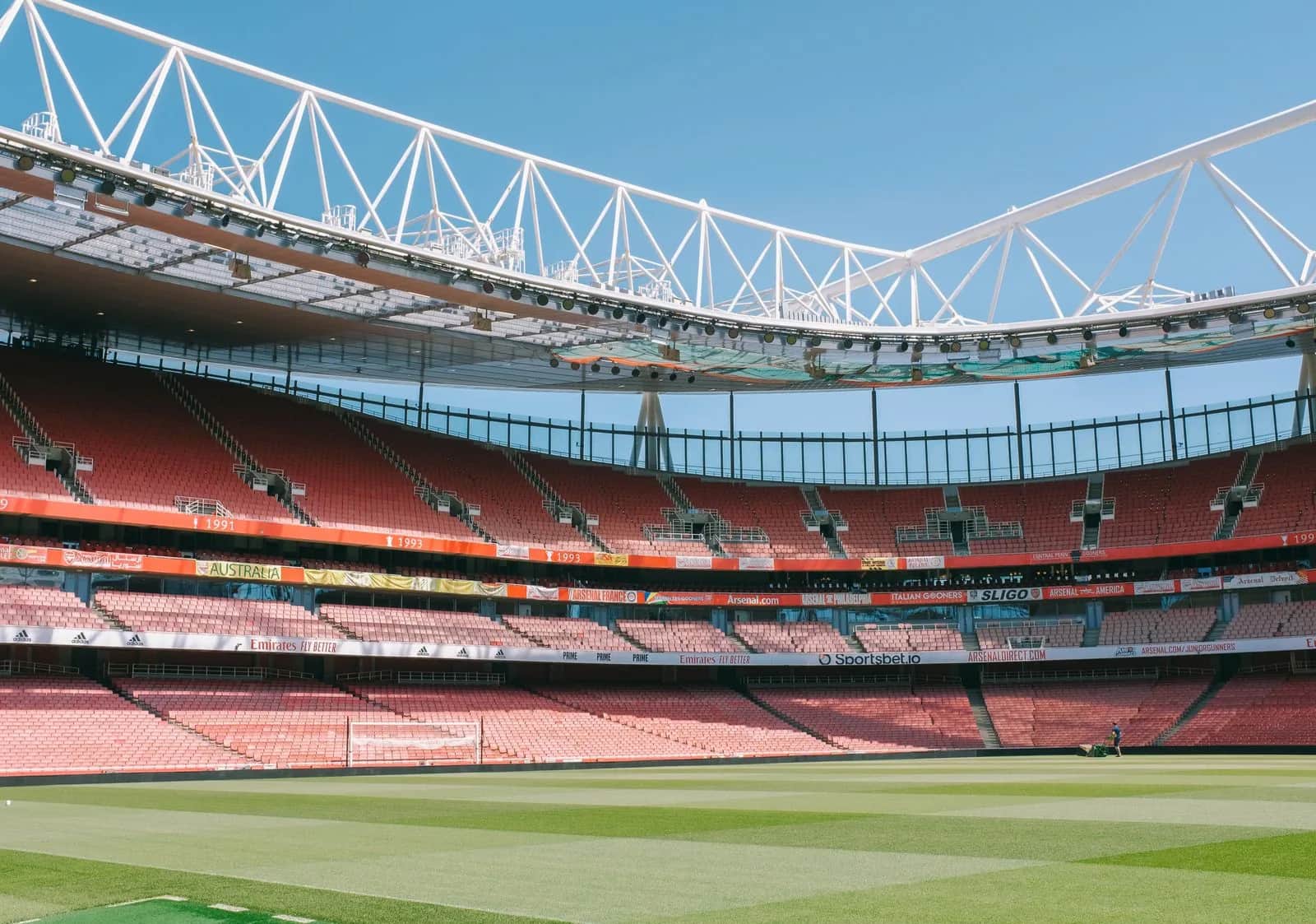

How Ticketing Platforms Sell Millions of World Cup Tickets Without Crashing
When tickets for a major World Cup 2026 match go on sale, millions of people click buy within the same few seconds. The platform that survives that moment is not the one with the biggest server, but the one engineered for a brutal, predictable spike: far more demand than supply, arriving all at once, with money and fraud on the line. The short answer is that no serious ticketing system lets that crowd hit its database directly. It puts a fair queue in front, locks every seat with surgical precision, blocks bots before they buy, and issues tickets that cannot be copied or resold without detection.
For a Saudi business, this is not a spectator topic. Any high-demand booking — concert seats during Riyadh Season, theme-park slots on a holiday, limited-edition product drops, clinic appointments — faces a smaller version of the same problem. The engineering that protects a World Cup sale is the same engineering that protects your launch day.
The virtual waiting room: fairness under a flash crowd
The first defense is a virtual waiting room. Instead of letting every visitor reach the checkout at once, the platform admits them in controlled batches. When you arrive, you are placed in a queue, given a position, and held on a lightweight page that does not touch the core booking database. The system then releases users a few thousand at a time, matched to how fast the backend can safely process purchases.
Two design choices make this fair. First, the queue is randomized at the moment of opening, so refreshing your browser or arriving a millisecond earlier gives no advantage. Second, the waiting-room page is served from a content delivery network and is almost free to scale, so the expensive part of the system — the seat database and payment flow — only ever sees a manageable trickle, never the full flood.
Inventory locking: never sell the same seat twice
The hardest problem in ticketing is the race condition: two buyers want the same seat in the same instant. Sell it twice and you have an angry fan at the gate; lock it too aggressively and you stall the whole sale. Real platforms reserve a seat the moment it enters a cart, attaching a short time-to-live — often a few minutes — after which the hold expires and the seat returns to inventory automatically.
Under the hood this relies on atomic operations and distributed locks so that exactly one buyer can claim a seat, even across many servers. Idempotency keys ensure that if a shaky mobile connection retries a request, the buyer is charged once and issued one ticket, not two. These same patterns — reserve, expire, confirm, with no double-booking — are what keep an appointment system or a restaurant reservation engine honest.
Stopping bots and scalpers
Where demand outstrips supply, scalpers deploy bots to buy in bulk and resell at a markup. Defending against them is a layered effort: rate limiting per device and network, behavioral analysis to separate humans from scripts, CAPTCHAs reserved for suspicious traffic, and hard purchase limits tied to a verified identity rather than an easily created email. In Saudi Arabia, binding a purchase to a Nafath-verified national identity is a powerful control, because it caps how many tickets one real person can acquire and makes industrial-scale hoarding far harder.
Tickets that cannot be faked: dynamic QR and NFC
A static QR code, once printed or screenshotted, is trivial to duplicate and resell. Modern mobile tickets defeat this with rotating codes that regenerate every few seconds inside the official app, so a screenshot is worthless seconds later. Tickets are bound to a device or a digital wallet, and gates validate them cryptographically. Near-field communication (NFC) and secure mobile wallets push this further, turning the phone itself into the credential and shrinking the window for fraud to almost nothing.
The gate: fast, offline-tolerant access control
On match day, tens of thousands of fans arrive in a compressed window, and the turnstiles cannot assume perfect connectivity. Access-control systems are engineered to validate tickets locally and fast, then synchronize scan state across every gate so a ticket cannot be used twice at different entrances. The goal is throughput measured in fractions of a second per scan, with graceful behavior when the network wobbles — exactly the resilience any point-of-sale or check-in system needs during its own rush.
What Saudi businesses should take from this
You may never sell a World Cup ticket, but the principles scale down cleanly. Put a queue in front of any sale you expect to be overwhelmed. Lock inventory atomically so you never oversell. Verify identity to keep bots and resellers out. Issue credentials that cannot be copied. Integrate payments — mada, Apple Pay, STC Pay — with idempotency so a retry never double-charges. Build the gate to keep working when the network does not.
At Origami, we build booking, reservation, and ticketing platforms for Saudi businesses with exactly these foundations: queueing for demand spikes, robust inventory control, Nafath identity integration, secure local payment gateways, and access systems that hold up under load. Football is the headline, but the engineering is the product — and it is the same discipline that keeps your busiest day from becoming your worst one.
Sources
FIFA — official 2026 World Cup tournament and ticketing information: fifa.com.
Frequently asked questions
How do ticketing platforms sell millions of tickets without crashing?+
They place a virtual waiting room in front of the system that admits users in controlled batches, lock seats atomically to prevent double-selling, and serve the waiting pages from a CDN so the booking core only ever sees a manageable trickle instead of the full flood.
How do ticketing systems stop bots and scalpers?+
Through layered defenses: per-device rate limiting, behavioral analysis to separate humans from scripts, and purchase limits tied to a verified identity. In Saudi Arabia, binding purchases to a Nafath-verified identity caps how many tickets one real person can buy, making industrial-scale hoarding much harder.
Is this engineering useful if I do not sell sports tickets?+
Yes. Any high-demand booking — appointments, concerts, limited product drops — faces a smaller version of the same problem. Virtual queues, inventory locking, identity verification, and secure payment gateways protect your launch day just as they protect a major ticket sale.
Why is a dynamic QR code safer than a static one?+
A static code can be screenshotted, shared, and resold, while a dynamic code regenerates every few seconds inside the official app and is bound to the device. Any captured image becomes worthless within seconds, and forging a valid ticket at the gate becomes far harder.
Follow Origami in Google
Pin Origami as a preferred source and our articles will surface first for you in Google Search and Top Stories.
Related articles
- TechnologyBiometric Access Control at World Cup 2026 Stadiums: How Facial Recognition Entry WorksHow do World Cup 2026 stadiums verify fans by face in seconds? We explain biometric entry, the privacy and PDPL trade-off, and the lesson for your business.
- TechnologyWorkforce and Volunteer Scheduling Software: The Technology Behind Staffing the World Cup 2026How does a World Cup staff itself? Purpose-built workforce scheduling and accreditation software coordinates tens of thousands of staff and volunteers in real time.
- TechnologySmart Crowd Management and Mobility Technology at the 2026 World Cup: A Business GuideHow does the World Cup move millions of fans safely? Inside the smart crowd management, mobility, and real-time data tech behind it, and its lessons for business.
- TechnologyHotel Booking and Revenue Management Technology for the World Cup 2026 Travel SurgeThe World Cup 2026 fills hotels within weeks. A practical guide to the direct booking engine, channel manager, and AI revenue management that turn the surge into your highest revenue.
- TechnologySmart Stadium Technology: The IoT and Software Behind World Cup 2026 VenuesHow IoT sensors, high-density networks, digital ticketing, and crowd analytics power World Cup 2026 stadiums — and what Saudi smart-facility projects can learn.
- TechnologyLive-Streaming Engineering Behind the 2026 World Cup: How Matches Reach Millions of ScreensHow does the 2026 World Cup reach millions of screens in seconds? Inside adaptive bitrate, CDNs, low latency, and anti-piracy — and the lessons for your business.
Have a project in mind?
We build custom systems, apps and websites for your business. Tell us your idea and we will give you a straight answer on it.
