In this article

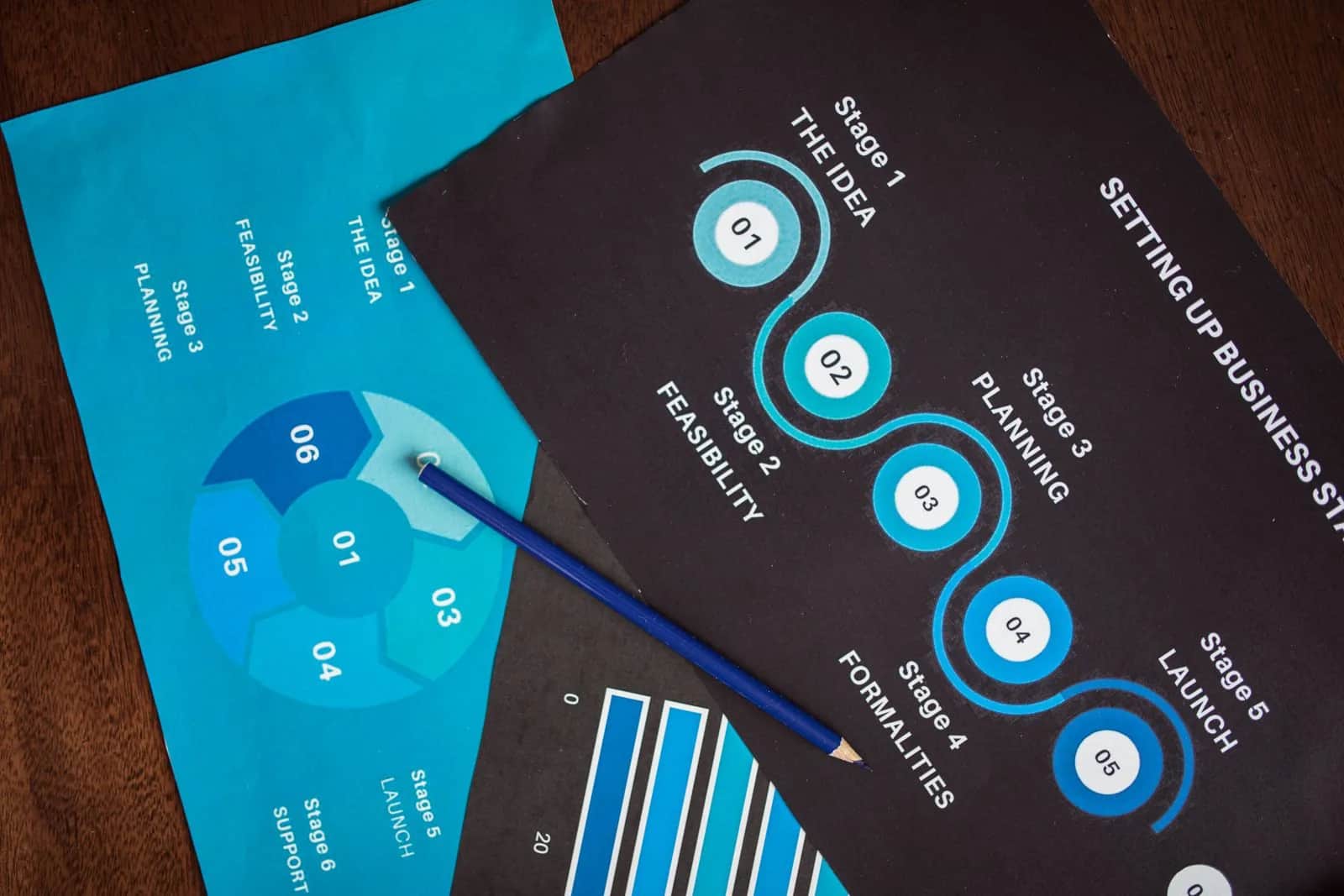
In part six we opened why ERP projects fail: an undefined process, an absent owner, dirty data, a rushed launch, and a team not prepared for change. Now we turn those lessons into an execution plan. Choosing the system is a one-day decision; implementing it is a project of months, and that is where the outcome is truly decided. In this seventh part we walk the implementation phases in order: from discovery and the process blueprint, to data migration, to testing, to go-live and hypercare, then the human side where most projects stall.
Discovery and the process blueprint: draw before you build
A successful implementation begins with a discovery phase, not an installation. You sit with each department and map how it actually works today — not how it is supposed to work on paper — then agree on the single way the system will run each process. The output of this phase is one document: the process blueprint that defines every process, who owns it, and where it starts and ends.
This blueprint is the project's constitution. Every dispute is settled by returning to it, and every customization is weighed against it. Projects that skip discovery and jump straight to the screen discover the gaps after go-live, when fixing them costs several times as much.
Data migration: clean before you move
Your old data lives in scattered spreadsheets and systems accumulated over years, and it is the most dangerous thing to carry into the new system. Successful migration is a phase in its own right, not copy and paste:
- Clean before you move: duplicate names, balances that do not reconcile, items with no category. Clean them at the source before they enter the system, because dirty data that enters a clean system stays dirty and shakes confidence in the numbers from day one.
- Map and verify: match your old system's fields to the new one's, migrate a trial batch first, then check that balances and totals reconcile with the source before you rely on it.
- The history you carry: decide what to migrate and what to archive. Not every old record deserves to weigh down the new system.
The rule: clean first, migrate second, verify third. That order is the difference between a system that starts with confidence and one that starts with doubt.
Testing and acceptance before go-live
Before anyone touches the system in real work, it must pass a test on your data, not the vendor's demo data. You build scenarios from your actual business — a complete invoice, a purchase cycle, a month-end close — and run them in the system to see that it produces the right result.
Then comes acceptance testing: your own team runs the operations they will perform daily and signs off that they work as they should. Acceptance testing is not a formality; it is the last chance to catch a gap before it turns into a crisis in front of a real customer.
Go-live and hypercare: gradual, not a leap
At go-live you face two decisions:
- Phased or big-bang: a big-bang launch turns everything on in a single day, multiplying risk and making any error a company-wide crisis. A phased rollout — one module or branch at a time — contains the error and builds confidence step by step. In most cases phasing is safer; the single leap suits only small businesses with simple operations.
- Hypercare: the first weeks after go-live are the most delicate phase. Keep intensive support close to the team to catch errors and answer questions immediately, until the system stabilizes and people trust it. Go-live is not the finish line but the start of the most sensitive phase.
The human side: owner, sponsorship, and change
This is where most projects stall — not in the technology. Implementation needs three human pillars: a single internal owner with authority and dedicated time who leads from your side, not an employee to whom the project is added as a margin; executive sponsorship that gives the project real priority and settles what crosses departments; and conscious change management that prepares the team before go-live, not after.
Change management means involving people early so they feel part of the decision rather than its victim, explaining why we are changing rather than only how, and making training continuous rather than a single event. A system people adopt succeeds even if it is simpler; one imposed on them is resisted quietly even if it is stronger.
The Origami view
We are a technology company, but for us implementation is an organized project, not installing software. We begin with discovery and the process blueprint before we touch a screen, we treat data migration as a phase that cleans and verifies rather than copies, we insist on acceptance testing your team signs off, and we launch in phases with close hypercare. And we make the internal owner, executive sponsorship, and change management part of the plan from day one. Our goal is a system that lives after go-live, not one that works on handover day and is abandoned after.
Conclusion
A successful ERP implementation is not an event but a project of phases: discovery that maps the processes, migration that cleans before it moves, acceptance testing signed by those who will use it, a phased go-live followed by hypercare, and above it all a present owner, executive sponsorship, and a team prepared for change. Whoever walks these phases in order runs a system that lives; whoever jumps over them runs a deferred crisis. And across all these phases stands one condition that cannot be deferred in Saudi Arabia: compliance. In part eight we open what you must demand from any system before signing — e-invoicing, VAT, and full Arabic localization — as hard requirements, not add-ons.
Sources
- Zakat, Tax and Customs Authority — E-invoicing (Fatoora) as an obligation to account for in testing and go-live: https://zatca.gov.sa
- Saudi Data and Artificial Intelligence Authority (SDAIA) — the Personal Data Protection Law and controls on data during migration: https://sdaia.gov.sa
- Saudi Vision 2030 — digital transformation and enabling small and medium enterprises: https://www.vision2030.gov.sa
Frequently asked questions
What is the first step in implementing an ERP?
The discovery phase, not installation. You sit with each department and map how it actually works, agree on one way for each process, and the output is a process blueprint that becomes the project's constitution — used to settle every dispute and weigh every need for customization.
How do I migrate my old data to the new system safely?
Clean before you move. Fix duplicate names, unreconciled balances, and uncategorized items at the source, then migrate a trial batch and verify that totals reconcile with the source before relying on it. Dirty data that enters a clean system stays dirty.
Should I launch the system all at once or in phases?
In phases, in most cases. A big-bang launch multiplies risk and makes any error a company-wide crisis, while phasing contains the error and builds confidence. The single leap suits only small businesses with simple operations, and must be followed by a hypercare period with intensive support.
Where does ERP implementation stall most?
The human side, not the technical one. The absence of an internal owner with authority, weak executive sponsorship, and neglected change management bring down the best systems. A team not convinced of the system returns to its spreadsheets in secret, and you end up with two realities.
Follow Origami in Google
Pin Origami as a preferred source and our articles will surface first for you in Google Search and Top Stories.