In this article

What Is a CRM and Does Your Business Actually Need One?
A CRM (Customer Relationship Management) system is a single platform that brings everything about your customers — their details, conversations, past orders, and the stage of every deal — into one shared place that sales, marketing, and customer service can all see at the same time. In short: instead of customer information being scattered across a salesperson's phone, WhatsApp chats, an Excel file, and a notebook, a CRM gives you a complete picture of every customer and every sales opportunity. You need one when you start losing customers or missing opportunities because there is no organized follow-up — not before that, and not just because everyone is talking about it.
Clear Signs You Need a CRM
Most small businesses start by managing customers manually, and the need for a CRM appears at a specific growth stage. Watch for these signals:
- Opportunities slip through the cracks: An interested customer reaches out, then is simply forgotten because no one followed up at the right time.
- Knowledge lives in people's heads: When a salesperson leaves, their relationships and entire customer history leave with them.
- You don't know where customers come from: You can't accurately answer "where do our best customers come from?" or "how many open opportunities do we have right now?".
- Follow-up is random: Some customers get chased three times while others are never contacted, with no clear system.
- Reporting is exhausting: Knowing this month's sales performance requires manually gathering numbers from several people.
What a CRM Actually Does for You
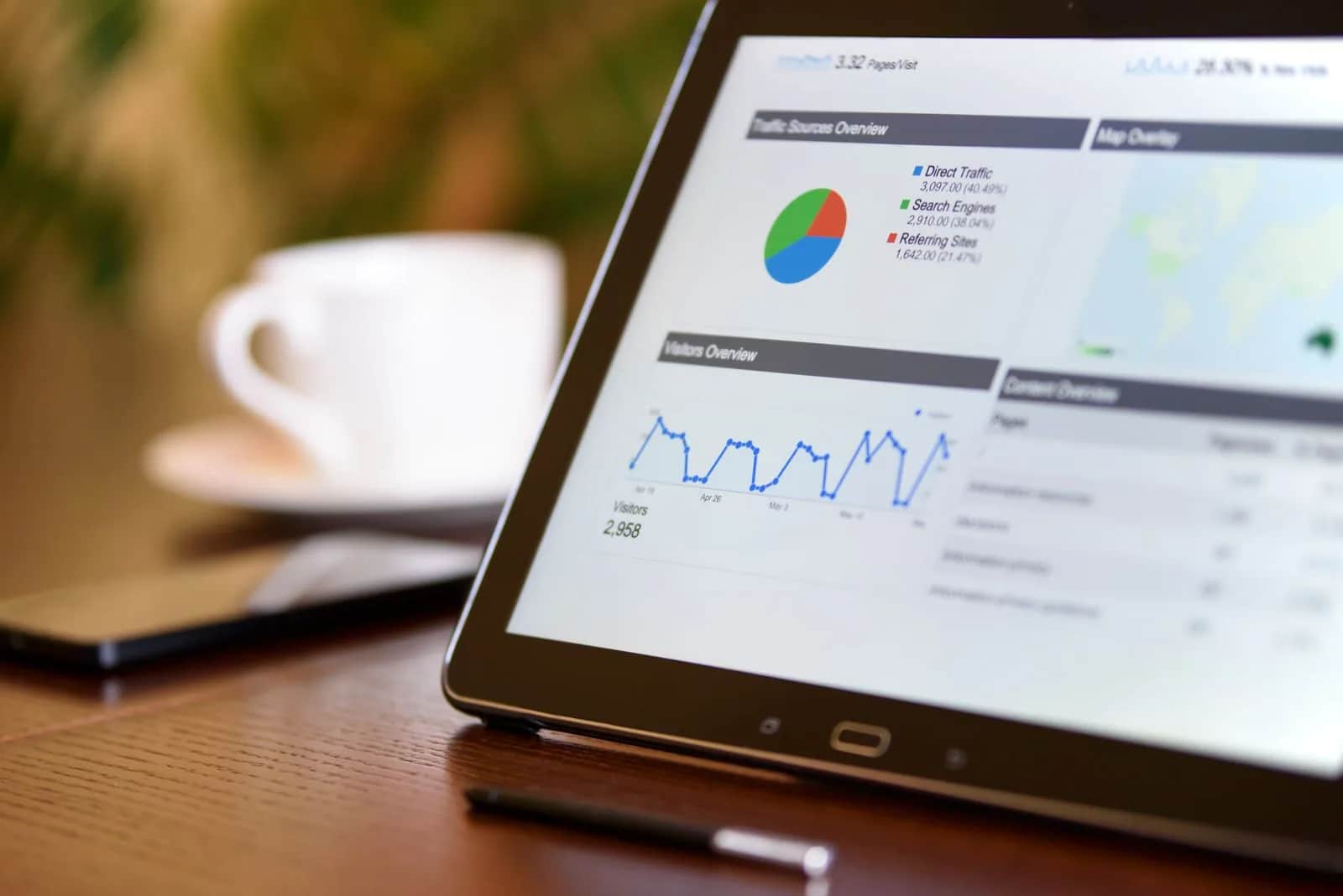
A well-implemented system turns every customer interaction into organized, trackable data. Every call, message, and order is automatically logged under the customer's name, deal stages move clearly from "interested" to "quoted" to "closed," and follow-up reminders arrive on time instead of relying on human memory. Most importantly: a dashboard shows you your sales pipeline, each rep's performance, and your conversion rate in real time — from your phone. The real value isn't storing names; it's that you stop losing customers you could have won.
What's the Difference Between CRM and ERP?
This mix-up is common, and the difference is simple: ERP manages the inside, and CRM manages the outside. An ERP connects your internal operations — inventory, accounting, procurement, and HR. A CRM focuses on everything customer-facing — sales, marketing, and after-sales service. Smaller businesses often start with one based on their biggest pain; larger businesses connect the two so a customer flows seamlessly from the first marketing touch all the way to the final invoice.
Ready-Made or Custom?
There is no single "best" CRM — only the one that fits how you actually sell. You have three paths:
- A global off-the-shelf system: Feature-rich and proven, but it can be expensive, complex, and built around sales processes that don't match your market or sector.
- A lightweight ready-made system: Fast to start and relatively cheap, but you adapt your work to its limits and may outgrow it quickly.
- A custom system: Built around your real customer journey and product, integrated with WhatsApp, payment methods, and your other systems. A higher upfront investment, but it fits you exactly and grows with you.
How to Choose Without Overpaying
The most common mistake is buying a huge, complex system and then using only 10% of it. Choose deliberately:
- Start from your customer journey: Map how customers actually find you and buy, then pick the system that supports that journey rather than forcing a different one on you.
- Require WhatsApp integration: In the Saudi market most communication happens on WhatsApp; a system that doesn't link WhatsApp conversations to the customer profile is incomplete.
- Protect your customer data: Customer data is both a valuable asset and a legal responsibility — make sure the system complies with the Personal Data Protection Law (PDPL) and that you can export your own data.
- Keep it simple enough to actually use: The best CRM is the one your team uses daily; a complex system gets abandoned within a month no matter its features.
- Calculate the full cost: License, implementation, training, data migration, and support — not just the monthly subscription price.
How Origami Helps
At Origami, we help Saudi businesses first decide whether they even need a CRM, then either implement the right ready-made system or build a custom one around their real customer journey — integrated with WhatsApp, payment methods, and the rest of their systems, and compliant with data-protection requirements. We handle the complex technical side so you stay focused on winning and keeping customers.
A CRM doesn't sell for you, but it makes sure you never lose a customer to a forgotten follow-up. The system keeps the relationship; you build the trust.
If you're not sure whether your business is ready for a CRM, book a short call with the Origami team or reach us on WhatsApp, and we'll help you decide honestly.
Sources
- Saudi Data and AI Authority (SDAIA) — Personal Data Protection Law: sdaia.gov.sa
Frequently asked questions
What is the difference between a CRM and an ERP?
Simply put: ERP manages the inside and CRM manages the outside. An ERP connects internal operations such as inventory, accounting, procurement, and HR, while a CRM focuses on everything customer-facing — sales, marketing, and after-sales service. Many businesses start with one based on their biggest pain, then connect the two later.
How do I know my business needs a CRM?
You need one when you start losing sales opportunities due to a lack of organized follow-up: interested customers get forgotten, customer knowledge is trapped in employees' heads and leaves with them, you don't know where your best customers come from, and follow-up is random with no system. These signs mean manual management has started costing you real money.
Should I buy a ready-made CRM or build a custom one?
Choose a ready-made system if your sales process is standard and you want a fast, cheap start; choose custom when your customer journey is distinctive and you need deep integration with WhatsApp, payment methods, and your other systems. The decision depends on fit with how you sell, not on brand reputation.
Does a CRM need to integrate with WhatsApp in Saudi Arabia?
Yes. In the Saudi market most customer communication happens on WhatsApp, so any CRM that doesn't link WhatsApp conversations to the customer profile leaves a large gap in the picture. WhatsApp integration makes every message part of the customer record and simplifies follow-up without scattering across channels.
Follow Origami in Google
Pin Origami as a preferred source and our articles will surface first for you in Google Search and Top Stories.