In this article
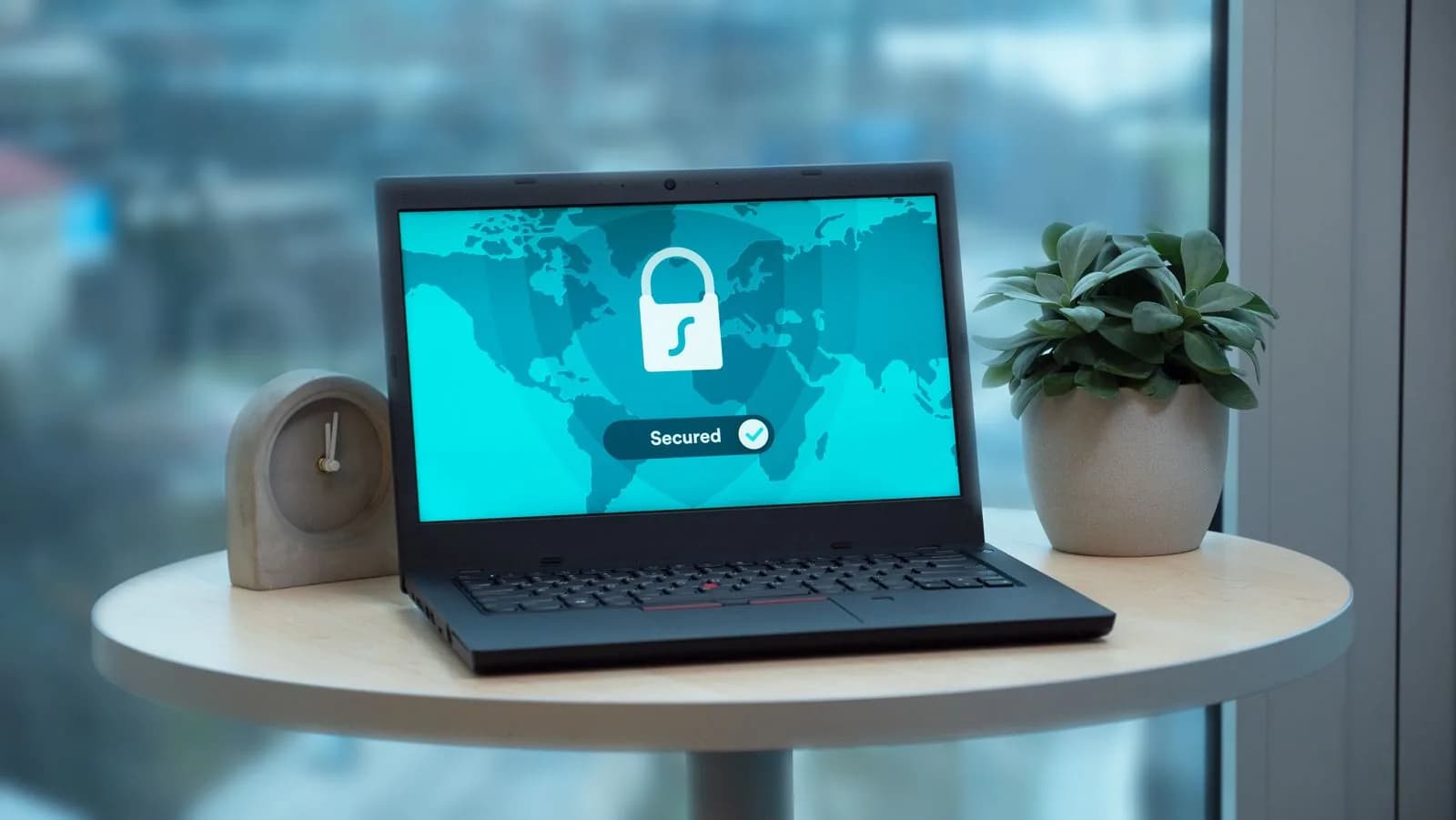
AI Agent Identity: The Question Every Company Skipped
The short answer: when you run an AI agent inside your company, it needs an identity of its own, exactly as an employee needs an account. The common practice today — hardcoding a static API key inside the agent so it can reach your systems — is the most dangerous thing you can do, because that key never expires, nobody knows who is using it, and it cannot be revoked quickly when you need to. The correct approach is to give every agent a registered identity, scoped permissions, and short-lived tokens that expire automatically.
That is precisely what Okta, one of the world's largest identity management vendors, announced on August 24, 2026, with a new capability called Agent SSO. The idea looks simple on the surface and runs deep in its consequences: register the AI agent as a first-class identity inside the company directory, alongside human employees, so it is subject to the same tools for granting, monitoring, and revoking access.
Why this question became urgent now
Over the past two years, enterprise AI moved from "a bot that answers questions" to "an agent that does the work." Today's agent opens your CRM, reads orders, updates an inventory record, messages a customer, and may even prepare an invoice. Every one of those steps means logging into a real system holding real data.
The problem is that most companies' security tooling was built on a single assumption: that whoever logs into the systems is a human being. One striking figure Okta cited in its announcement captures the gap: only 34% of organizations apply the same security controls to AI agents that they apply to human workers. In other words, roughly two thirds of companies are running automated entities inside their systems without the same level of governance.
When an agent has no clear identity, the problems stack up and they are all of one kind: you do not know how many agents operate inside your business, you do not know who authorized each one, you cannot answer an auditor's simple question — "who performed this action?" — and you have no single button to press to stop an agent that has gone off course.
What Agent SSO actually does
The service runs on an open protocol called Cross App Access (XAA), an extension of the familiar OAuth standard, which has been adopted as the official enterprise-managed authorization extension for MCP — the protocol that has become the common language between agents and systems. In short, when an AI agent that supports this protocol tries to connect to one of your business applications, the following happens:
- Registration: the agent is recorded as a named identity in the company directory, not as an anonymous key.
- Authorization: it receives a short-lived access token that expires automatically, instead of a static key sitting in a config file.
- Governance: an administrator manages the agent's permissions from the same console used for employee permissions.
- Instant revocation: the agent's access can be cut off with a single action the moment behavior looks wrong.
Notably, Okta made Agent SSO part of its core single sign-on offering at no additional cost — a signal that it wants this pattern to spread as a standard rather than sell it as a premium feature. Its announcement also named companies working with it on this approach, among them Anthropic, Atlassian, Slack, Notion, Datadog, and Figma.
The new rule: every AI agent running inside your company should have a name, a human owner accountable for it, scoped permissions, and an expiry date. Exactly like an employee.
What this means for a business owner in Saudi Arabia
In a year the Kingdom has designated as the Year of Artificial Intelligence, companies are moving fast to put AI agents into customer service, sales, and operations. And the move from pilot to real production is exactly the point at which identity and permissions stop being a technical detail and become a core concern.
There is a regulatory dimension too. The Personal Data Protection Law (PDPL) requires an organization to control who accesses personal data and for what purpose, and to be able to demonstrate that under audit. If your AI agent reads customer data through a shared key that belongs to no one in particular, you effectively cannot answer the question "who accessed this data?" — and that is not merely a technical weakness, it is a compliance gap.
Practical steps you can start with today
You do not need a global platform to begin. The same principles apply to any internal system that is built properly:
- Inventory your agents: list every AI tool connected to your systems today — the count will surprise you.
- A separate account per agent: never share an employee account or a general-purpose key between multiple tools.
- Least privilege: if the agent only needs to read, do not grant it permission to modify or delete.
- Short-lived tokens: replace permanent keys with tokens that expire and renew automatically.
- A full audit trail: every action the agent performs is logged with its name, the timestamp, and the system affected.
- A human owner: each agent has an accountable employee who reviews its permissions periodically and can stop it.
- Human approval for sensitive operations: financial transfers, data deletion, and bulk customer messaging need a human checkpoint.
How we look at it at Origami
When we build a custom system for a client and connect an AI agent to it, we treat that agent from day one as a user with an account, permissions, and a log — not as a script running with the administrator's key. That simple architectural decision saves the client a rebuild later and makes the system audit-ready from the start, instead of being patched at the first auditor's question or the first security incident.
Okta's announcement matters because it turns what used to be a judgment call made by individual developers into an industry standard backed by major tooling vendors. Anyone building on this foundation today will find themselves automatically aligned with what becomes a baseline requirement a year or two from now.
The bottom line: AI inside your company is no longer a tool you use, it is a party acting on your behalf. And any party acting on your behalf needs an identity and clear boundaries — otherwise you are managing a risk you cannot see.
Sources
- Okta — official Agent SSO announcement (August 24, 2026).
- Okta — Every Agent Needs an Identity (the Okta for AI Agents platform).
- Saudi Data and AI Authority (SDAIA) — the Personal Data Protection Law and its controls.
Frequently asked questions
What does it mean for an AI agent to have an identity?
It means the agent is registered inside your systems as its own account, with a known name, scoped permissions, and a human owner accountable for it, instead of logging in with a shared static key. That lets you see exactly what it did, limit what it can reach, and revoke its access immediately when needed.
What is the risk in using a static API key for an AI agent?
A static key never expires, is usually stored in a config file or in code, and is often shared between several tools. If it leaks you will not know who used it or when, and you cannot revoke it without breaking everything that depends on it. The alternative is short-lived tokens tied to a specific identity that expire and renew automatically.
Is this only relevant to large enterprises?
No. Any organization connecting an AI tool to a system holding customer data or operations is affected, even with a single tool. The same principles — a separate account, least privilege, an audit trail — apply to a small system just as they do to an enterprise platform, and the cost is far lower when applied from the start.
How does this relate to Saudi Arabia's Personal Data Protection Law?
The law requires organizations to control access to personal data and to demonstrate that control under audit. If your AI agent reaches customer data through a shared account with no distinct identity, you cannot establish who accessed the data or for what purpose, and that is a compliance gap before it is a technical weakness.
Follow Origami in Google
Pin Origami as a preferred source and our articles will surface first for you in Google Search and Top Stories.