In this article

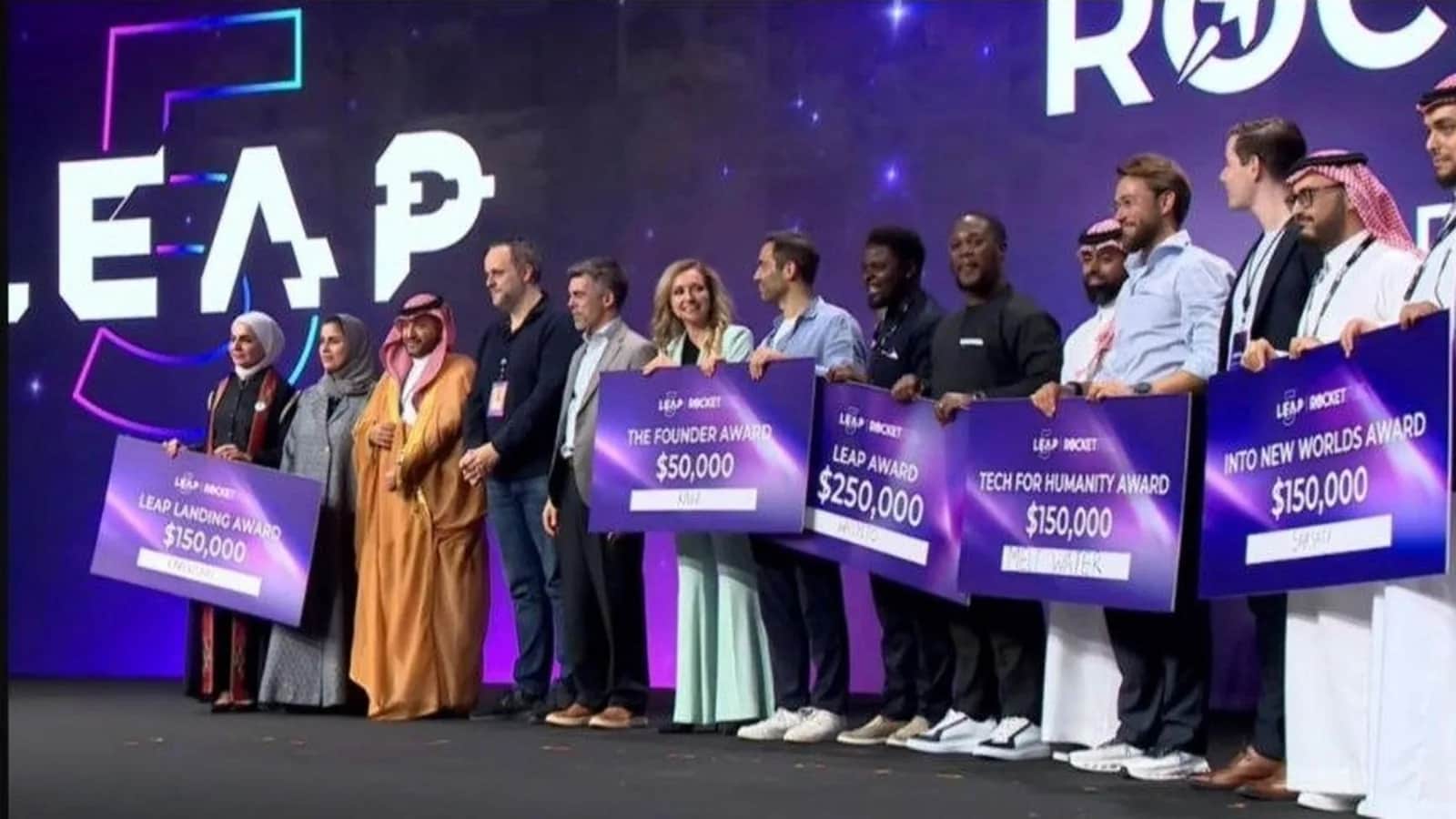
The fifth edition of the Rocket Fuel competition ran inside LEAP 2026 in Riyadh from 31 August to 3 September. One hundred startups entered, ten reached the main stage on the closing night, and seven left with awards totalling one million dollars.
The easy thing is to read the news as a list of winners and move on. The useful thing is to ask what got them there. The competition publishes its criteria and its format openly, which turns winning from luck into something you can prepare for. This article lays out the winners as they are, then unpacks the criteria, then turns them into steps.
Who won, and with what
- Waspito — the LEAP Award, $250,000. A Cameroon-headquartered Series A health technology company led by Jean Lobe Lobe, widening access to medical services across Francophone Africa by connecting patients, doctors and laboratories on one platform. It previously raised a $2.5M seed extension. Site: waspito.com.
- Carevision — the LEAP Landing Award, $150,000. A US-headquartered seed-stage company working in AI and deep technology, led by Amani Abulaban. This award goes specifically to a high-potential international startup capable of establishing itself in Saudi Arabia and creating economic value here. Site: carevision.ai.
- SARsatX — the Into New Worlds Award, $150,000. A Saudi Series A company led by Amru Alomoudi that designs, manufactures and integrates satellites, delivering Earth observation intelligence from orbital hardware through to actionable insight, with radar and optical data products and a platform called EarthLife. Site: sarsatx.com.
- Ferveret — the Scaling Star Award, $150,000. A US Series A deep-technology company led by Reza Azizian, developing more sustainable cooling for data centres and AI and high-performance computing loads, using phase cooling drawn from reactor engineering and without water consumption. Site: ferveret.com.
- MELT WATER — the Tech for Humanity Award, $150,000. A Ukrainian seed-stage company led by Andrew Quadech, developing sustainable water purification technology.
- Imagine Devices — the Shooting Star Award, $100,000. A US pre-seed biotechnology and healthcare company led by Iman Salafian.
- Kanz — The Founder Award, $50,000. The award given to the team that most captures the LEAP audience.
For a fuller picture of the field: women accounted for 23% of participating founders, the cohort came from more than forty nationalities and twenty-five countries, and the companies spanned AI, cybersecurity, biotechnology, healthcare, manufacturing, water security and sustainability.
How the judging actually works
This is where it gets practical. The format is published: three minutes to pitch, three minutes of questions from the judging panel, one minute for scoring. Each company is scored from one to five across seven criteria:
- Innovation and creativity.
- Growth potential.
- Functionality of the product.
- Traction and market growth.
- Impact on people and society.
- Team strength and experience.
- The quality of the founder's delivery.
Read that list again and notice something: only two criteria are about the product itself. The rest are about market, team, impact and your ability to explain. Many founders spend months on the product and minutes on the story, then lose on the other five.
What the seven winners have in common
Put them side by side and a pattern appears:
- A problem anyone understands in one sentence. Medical access, clean water, data centre cooling, Earth observation. None of them needs a preamble before you understand why it exists.
- Tangible impact, not a slogan. Societal impact is one of the seven criteria, and these winners land in it naturally rather than by stretching.
- Real technical depth. Satellites, phase cooling, biotech, water purification. Things that are hard to copy in a month.
- Different stages, different awards. From pre-seed to Series A. The competition does not only reward the largest; it built categories for each stage — which matters for anyone who assumes they are too small to compete.
Your practical plan if you want to stand there
Do not start with the application. Start a year before it:
- Pick a problem you can state in one sentence. If explaining what you do takes two paragraphs, you have lost the first thirty seconds of the pitch, and those decide the panel's attention.
- Collect traction numbers from today. Users, recurring revenue, monthly growth, retention. They cannot be manufactured in application week, and they carry the most weight.
- Build the team before the round. Team strength is its own criterion. A solo founder with no technical or commercial partner loses points before speaking.
- Rehearse the pitch like you build a product. Three minutes is about four hundred words. Write them, cut every sentence that does not serve an investor's decision, and test it on someone who will tell you the truth.
- Prepare for questions more than for the pitch. Three minutes of Q&A equals the pitch itself in time. Write the ten hardest questions about your revenue model, competitors and assumptions, and prepare two-line answers.
- Know why Saudi Arabia. The LEAP Landing Award exists specifically for companies able to establish here and create economic value. If you have a real reason for this market, say it clearly; if you do not, do not pretend.
The Origami view
We see this competition as a summary of what is happening in the Saudi market: capital and attention are both present, and for many companies the gap is not the idea but readiness — a product that actually runs, numbers you can show, and a story people follow. A founder holding all three finds doors open today that were closed five years ago.
Our technical advice, from working with companies at their earliest stages: do not enter a competition with a deck alone. A first working version of your product, however limited, changes the entire conversation — because it moves the discussion from what we intend to do to what we are doing now. And building that version is now a matter of weeks, not years.
Conclusion
One hundred companies applied, ten reached the stage, seven left with awards. What separates them from the rest is no secret: a clear problem, real numbers, a complete team and three well-crafted minutes. The criteria are published and the competition returns each year — so the question is not whether it is worth trying, but what you will have ready in the coming months.
Sources
- The official LEAP website — the Rocket Fuel competition page, the finale date, the pitch format and the seven award categories.
- The Saudi Times, the competition's exclusive media partner — the ten finalists with founder names, countries and stages, the seven scoring criteria, and the judging panel.
- The winning companies' official sites: waspito.com, sarsatx.com, ferveret.com and carevision.ai.
- The results announced on the closing night, 3 September 2026.
Frequently asked questions
What is the Rocket Fuel competition?
The startup competition at the LEAP conference in Riyadh. Its fifth edition ran inside LEAP 2026 from 31 August to 3 September. One hundred startups entered, ten reached the final, and seven won awards totalling one million dollars.
What are the seven awards and their values?
The LEAP Award at $250,000, LEAP Landing at $150,000, Into New Worlds at $150,000, Scaling Star at $150,000, Tech for Humanity at $150,000, Shooting Star at $100,000 and The Founder Award at $50,000.
How is the judging done?
A score of one to five across seven criteria: innovation, growth potential, functionality, traction and market growth, societal impact, team strength, and the founder's delivery. The format is three minutes to pitch, three minutes of questions and one minute for scoring.
Is the competition suitable for a very early company?
Yes. Winners ranged from pre-seed to Series A, and there are categories aimed at early stages such as Shooting Star, so size is not a condition for entering.
What exactly is the LEAP Landing Award?
An award for a high-potential international startup able to establish a presence in Saudi Arabia and create economic value here. Carevision won it this year.
How do I prepare for the next edition?
Start well before the application: reduce your problem to one sentence, record traction numbers monthly, complete the team, rehearse a three-minute pitch of roughly four hundred words, and prepare answers to the ten hardest questions about your model and competitors.
Follow Origami in Google
Pin Origami as a preferred source and our articles will surface first for you in Google Search and Top Stories.