AI Sponsorship Analytics for the World Cup 2026: Measuring Brand Exposure and Marketing ROI
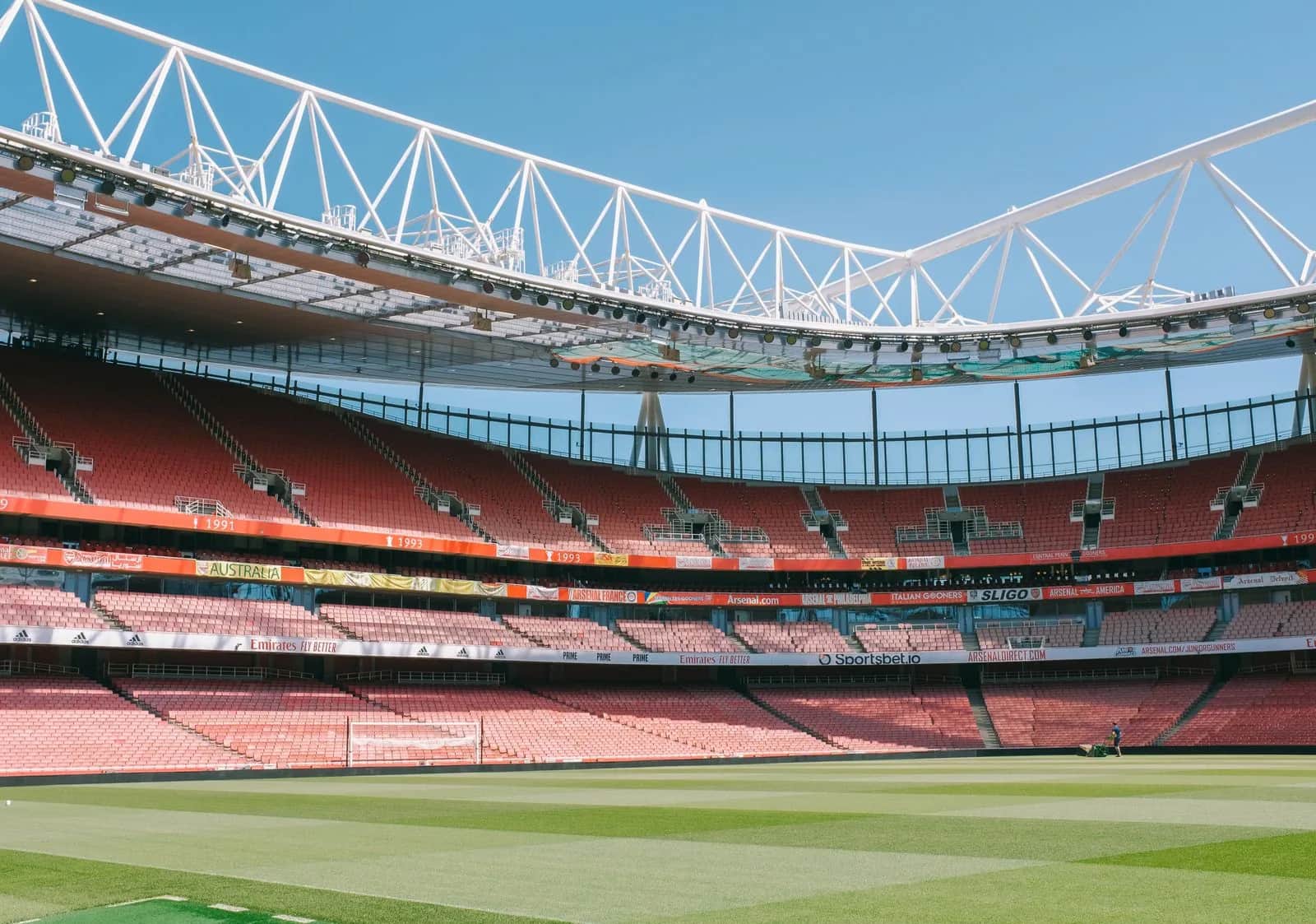

How AI Measures Sponsorship Value at the World Cup 2026
The direct answer: during a tournament the size of the FIFA World Cup 2026, brands no longer guess how much exposure they earned — they measure it. Artificial intelligence and computer vision now watch every second of broadcast and social video, detect each logo, count how long it stayed on screen, judge how clearly it appeared, and convert all of that into a hard number for marketing value and return on investment. The same technology that turns a blurry pitch-side banner into measurable data can turn every ad, post, and campaign your business runs into a decision you can actually defend with numbers.
Why the old way no longer works
For decades, sponsors estimated their exposure by hand: staff clipped television footage, counted banner appearances, and multiplied airtime by an advertising rate to produce a rough value. It was slow, subjective, and impossible to scale across dozens of matches, hundreds of hours of broadcast, and millions of social posts. The FIFA World Cup 2026 is the largest edition ever — 48 teams and 104 matches across 16 host cities in the United States, Canada, and Mexico — which makes manual measurement not just tedious but genuinely impossible. When content explodes in volume, only automated systems can keep up.
How computer vision measures brand exposure
Modern sponsorship analytics rests on computer vision — the same family of AI that powers player tracking on the pitch, pointed instead at logos and brands. Trained models scan each video frame and answer a series of questions automatically:
- Detection: Which sponsor logos appear in this frame, and where — on the LED boards, the kit, the interview backdrop, or a fan's sign?
- Duration: How many seconds did each brand stay visible across the full broadcast?
- Quality: Was the logo full-screen and sharp, or small, partly hidden, and out of focus? A clear, central logo is worth far more than a fleeting corner.
- Context: Did the exposure land during a goal, a replay, or a quiet moment? Emotional peaks multiply the value.
Instead of one person watching a single match, a model processes every match, every camera angle, and every replay in a fraction of the time — and it never blinks.
Beyond the broadcast: social and second-screen listening
Today most fans watch with a phone in hand, so exposure no longer lives only on television. AI-driven social listening tools track brand mentions, hashtags, and logo appearances across social platforms, measure sentiment (is the conversation positive, negative, or neutral?), and detect which moments made a brand trend. A sponsor can learn within minutes whether an activation resonated or fell flat — and adjust the next campaign while the tournament is still running, not months after it ends.
Turning exposure into real ROI
Counting seconds of screen time is only the start. The real question every marketing budget must answer is: did this spending move the business? Analytics platforms connect exposure data to outcomes — website visits, app installs, search interest, and ultimately sales — so a brand can estimate the media value it earned and compare it against what it paid. This is the difference between a vanity report that says we appeared a lot and a business report that says every riyal of sponsorship returned a measurable result. AI closes that gap by linking what happened on screen to what happened in the market.
The winning brands at a tournament are not the ones that appear the most — they are the ones that can prove what that appearance was worth.
What this means for Saudi businesses
You do not need to sponsor a World Cup team to use any of this. The same logic applies to a local activation, a cafe screening the matches, a retail campaign timed to the tournament, or a brand advertising on a streaming platform. Whether your logo appears on a regional broadcast or your product trends on social media during a big match, the questions are identical: how much attention did we earn, how good was it, and did it drive results? With the right analytics, even a small business can measure a local sponsorship instead of hoping it worked.
How Origami helps
At Origami we build the data and AI systems behind this kind of measurement — for your brand, not a global tournament. We integrate computer vision pipelines to detect and measure your brand across video and images, connect social listening to track mentions and sentiment, and unify it all into live dashboards that tie exposure to real business outcomes. The goal is simple: turn marketing from a cost you justify with guesses into an investment you steer with evidence.
Conclusion
The World Cup 2026 will be the most measured tournament in history, and sponsorship is no exception. AI and computer vision have turned brand exposure from a rough estimate into a precise, auditable number — and the same tools are within reach of any Saudi business that wants to know, not guess, whether its marketing works. Those who measure their exposure steer it; those who guess it waste it.
Sources
Frequently asked questions
What is AI-powered sponsorship analytics?+
It is the use of computer vision and machine learning to automatically measure how much and how well a brand appears during an event — detecting logos in video, counting on-screen time, and judging clarity and context — then converting that into a media value and a return-on-investment figure, far faster and more objectively than manual counting.
How does computer vision measure brand exposure at a football match?+
Trained models scan every video frame to detect each sponsor logo, measure how long it stays visible, and assess its quality — whether it is large and sharp or small and obscured — across the whole broadcast and every camera angle. The result is an objective exposure score instead of a human estimate.
Do I need to sponsor a World Cup team to use sponsorship analytics?+
No. The same technology measures any brand exposure — a local activation, a retail campaign, a cafe screening the matches, or a product trending on social media during a match. Even a small Saudi business can measure the value of a local sponsorship rather than guessing whether it worked.
How does sponsorship analytics prove marketing ROI?+
By connecting exposure data to real outcomes — website visits, app installs, search interest, and sales — so a brand can compare the media value it earned against what it paid. This turns a vague metric such as high overall exposure into a business metric that shows whether the spending actually moved results.
Follow Origami in Google
Pin Origami as a preferred source and our articles will surface first for you in Google Search and Top Stories.
Related articles
- Artificial IntelligenceMHS by Anthropic: One AI Agent for Factory and Lab DevicesAnthropic opened a research preview of MHS, a standard that lets one AI agent operate lab and factory instruments together, cutting integration from weeks to hours.
- Artificial IntelligencePerplexity Hybrid Compute and Its Privacy Gate, ExplainedPerplexity shipped Hybrid Compute on Mac: an on-device gate reads every task and swaps names and addresses before anything reaches the cloud. The architecture matters more than the product.
- Artificial IntelligenceThe World Bank's 2026 AI Report: What It Means for Saudi BusinessesThe World Bank's World Development Report 2026 ranks Saudi Arabia among the top ten countries for private AI investment. Here is what adopt, adapt, advance means for your business.
- Artificial IntelligenceYOLO26 and Real-Time Computer Vision: Turning Your Cameras Into an Operations SystemThe new YOLO26 release makes real-time computer vision cheaper and easier to deploy: seven tasks in one model, on-site processing, and practical uses for warehouses and retail.
- Artificial IntelligenceCST's AI Adoption Guide for Tech Companies: What It Means for Your BusinessSaudi Arabia's CST has published an AI adoption guide for technology companies. Here are the five readiness dimensions, the execution model, and what to do first.
- Artificial IntelligenceAgent Plugins 1.0: Your Company's AI Tooling Becomes PortableA new open standard packages AI agent skills and MCP servers into one installable plugin that works across tools. What it means for your business and vendor lock-in.
Have a project in mind?
We build custom systems, apps and websites for your business. Tell us your idea and we will give you a straight answer on it.
