In this article

In short: Saudi Arabia is building enormous amounts of local computing power — from SDAIA's 480-megawatt "Hexagon," described as the world's largest government data center, to HUMAIN's new facilities in Riyadh and Dammam. For your business this means three practical things: it becomes easier and cheaper to keep customer data inside the Kingdom (a plus for PDPL compliance), your apps and AI features run faster for local users, and you gain access to powerful AI computing on Saudi soil without buying a single server. You do not need to run a data center to benefit — you need an architecture that plugs into this new local capacity.
What just happened?
At the end of June 2026, Riyadh hosted the Global AI Show, drawing more than 15,000 registrations, 6,723 attendees, and delegations from over 80 countries — 70% of them at CXO level. The dominant themes were agentic AI and "sovereign AI infrastructure," a phrase that sums up the Kingdom's 2026 push. Saudi Arabia has declared 2026 the Year of Artificial Intelligence, and the headline is no longer just models and apps; it is the physical foundation underneath them: data centers, chips, and cloud capacity built on home soil.
The projects reshaping the map
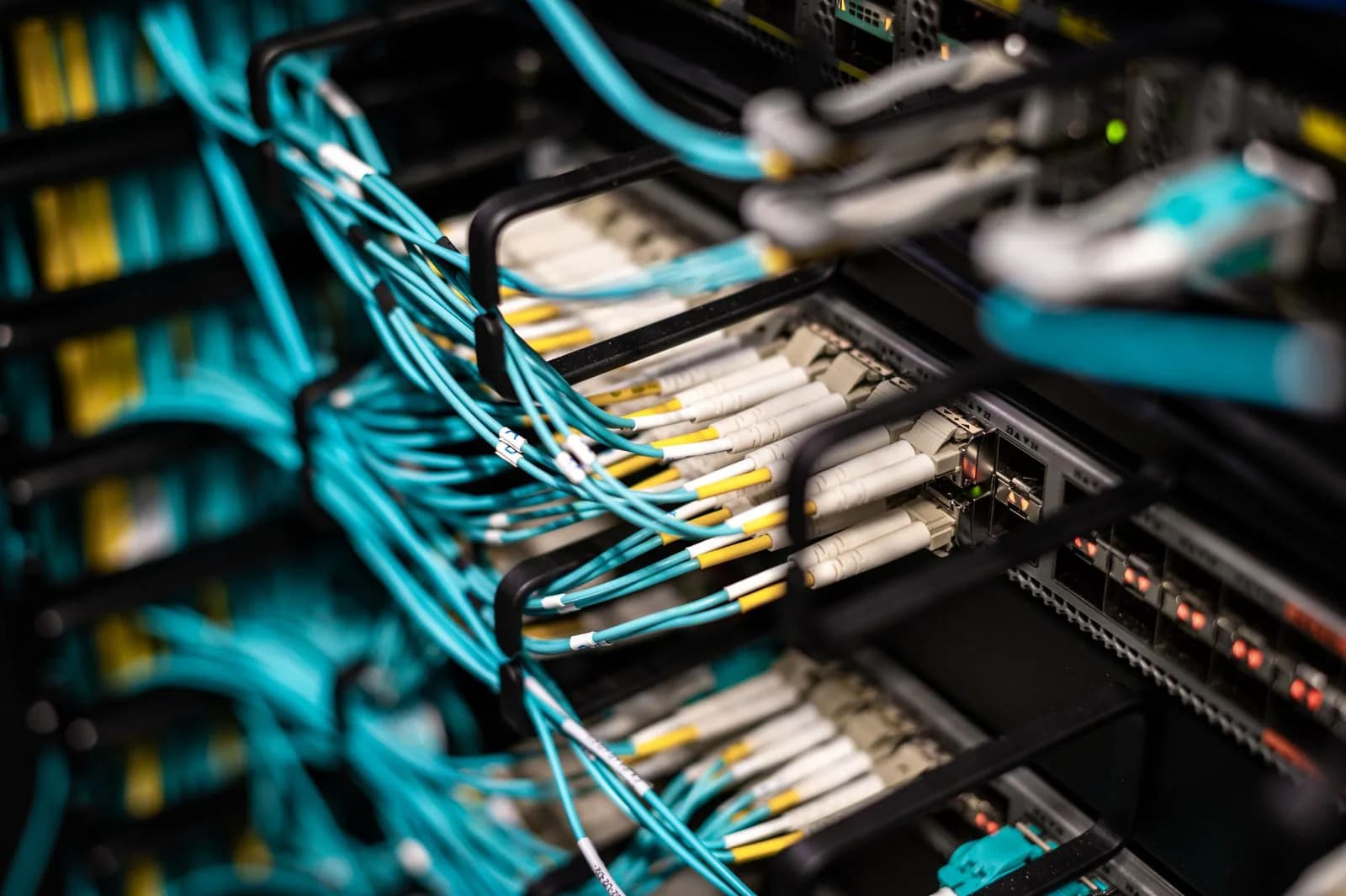
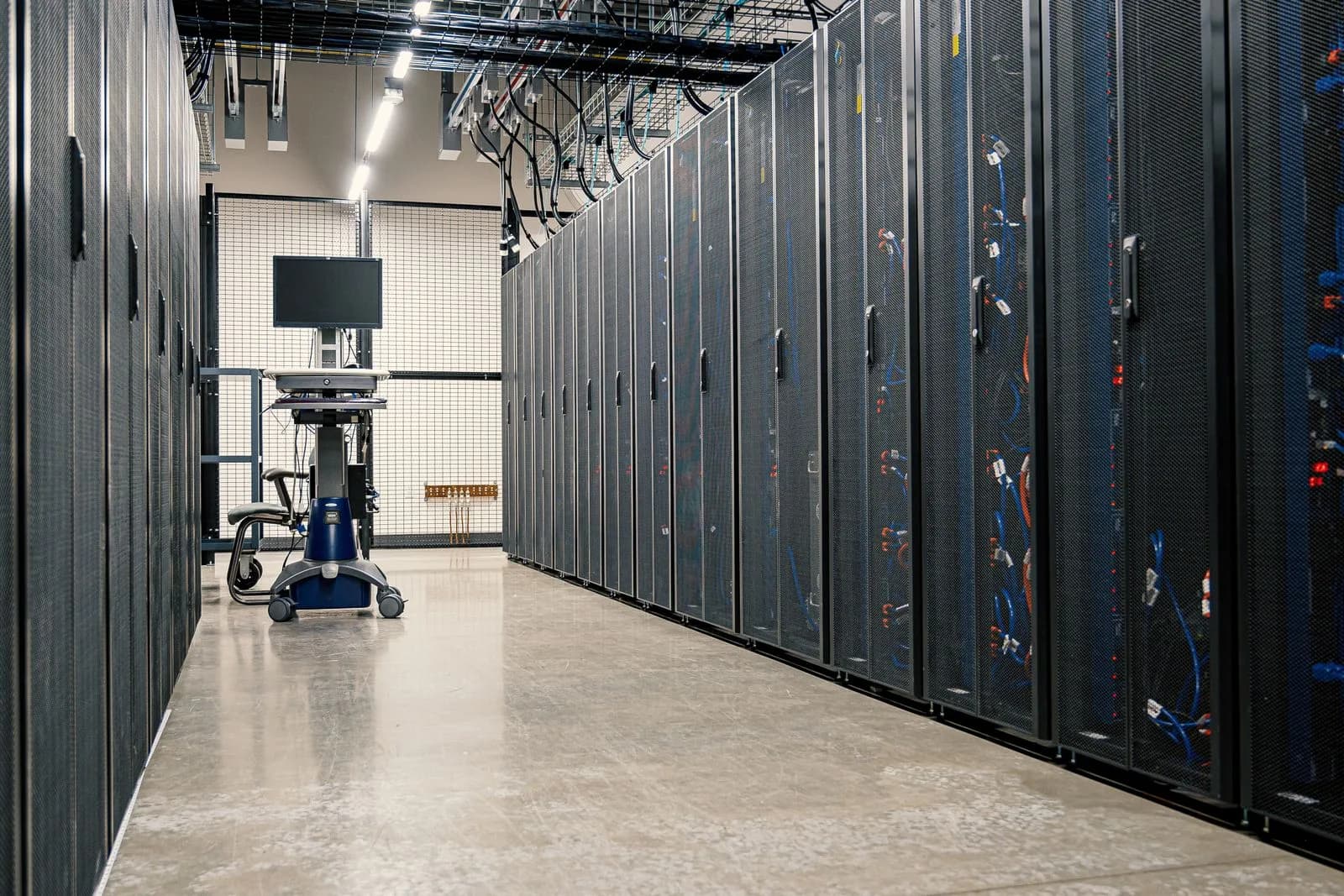
The most striking is Hexagon, developed by the Saudi Data and Artificial Intelligence Authority (SDAIA). Its foundation stone was laid at the start of 2026, and when complete it will span roughly 30 million square feet in Riyadh with a total capacity of 480 megawatts — positioning it as the world's largest government data center by power. It carries the highest resilience rating, Tier IV certified by the Uptime Institute, and is designed to host hundreds of government systems on one hardened platform.
Alongside it, HUMAIN — the Public Investment Fund's AI company — is bringing data centers in Riyadh and Dammam online through 2026, with early capacity measured in the tens to hundreds of megawatts and partnerships with NVIDIA and Qualcomm to install frontier AI chips inside the Kingdom. The direction is unmistakable: compute that used to live abroad is moving closer to your customers.
Why should a business owner care?
1. Data residency and PDPL. Saudi Arabia's Personal Data Protection Law expects personal data to be handled inside the Kingdom by default, with tight rules on moving it abroad. More local capacity means keeping data in-country is no longer a costly exception — it becomes the easy, default choice, which lowers your compliance risk.
2. Speed. When your app, store, or AI assistant is hosted physically near your users, pages load faster and AI responses return quicker. For an e-commerce checkout or a customer-service bot, that latency difference is measured directly in conversions and satisfaction.
3. Access to AI compute without owning it. Training and running modern AI needs expensive accelerators. With that hardware now being installed locally, you can rent exactly what you need for a sensitive workload — a private assistant on your own data, document analysis, or demand forecasting — and keep it entirely on Saudi soil.
4. Sovereign options and resilience. Global cloud providers (AWS, Microsoft, Google, Oracle) are opening Saudi regions, and national players are adding sovereign alternatives. More providers means better pricing, redundancy, and negotiating leverage — and a credible answer when a government or enterprise client asks where their data lives.
What this does NOT mean
It does not mean you should build or rent a data center. For the vast majority of companies, the right move is to consume this capacity through cloud services, not to own hardware. It also does not mean lift-and-shift everything today. The value comes from a deliberate architecture: knowing which data must stay in-Kingdom, which workloads benefit from local AI compute, and which can stay on global services.
How to position your business
- Classify your data. Separate personal and regulated data (which belongs in-Kingdom) from general data, so your hosting choices are driven by rules, not guesswork.
- Choose Saudi cloud regions for anything customer-facing or personal, to cut latency and simplify PDPL compliance in one step.
- Design for AI from the start. Build your systems so they can call local AI services later — even if you are not using AI heavily today.
- Plan for a hybrid future. Sensitive workloads on sovereign or local infrastructure, everything else on the most cost-effective option, connected cleanly through APIs.
The infrastructure being poured today is not an abstract national story — it is the ground your next app, store, or AI assistant will run on. The businesses that plan their architecture around it now will move faster, spend less on compliance, and be ready to use local AI the moment they need it. At Origami, this is exactly the kind of foundation we help Saudi companies build on: choosing the right regions, designing PDPL-aware data architecture, and connecting local and global services into one system that fits your business.
Sources
- Saudi Data and Artificial Intelligence Authority (SDAIA): sdaia.gov.sa
- Data Center Dynamics — Hexagon groundbreaking: datacenterdynamics.com
- Vision 2030 — HUMAIN: vision2030.gov.sa
- Saudi Press Agency — 2026, the Year of AI: spa.gov.sa
Frequently asked questions
What is the Hexagon data center and why does it matter to my business?
Hexagon is a 480-megawatt, Tier IV data center being built by SDAIA in Riyadh, described as the world's largest government data center. For businesses it signals a large, reliable pool of local computing and cloud capacity inside the Kingdom — making in-country hosting, faster apps, and access to local AI far more practical.
Do I need to host my customers' data inside Saudi Arabia?
For personal and regulated data, yes as a default. The PDPL expects personal data to be processed inside the Kingdom and restricts transferring it abroad, and the new local data centers make compliant in-country hosting the easy, cost-effective choice.
How can a small business benefit from national AI infrastructure?
You benefit by renting, not building. Use Saudi cloud regions for faster, compliant hosting, and rent local AI compute only when you need it — with no servers to buy or run.
What is the difference between sovereign cloud and global cloud?
Sovereign cloud keeps your data and workloads inside the Kingdom under local jurisdiction, while global hyperscalers now also offer Saudi regions. The practical choice depends on data sensitivity: regulated data on sovereign or local infrastructure, general workloads on whichever is most cost-effective.
Follow Origami in Google
Pin Origami as a preferred source and our articles will surface first for you in Google Search and Top Stories.