In this article
- Why match days are a stress test for your systems
- A point-of-sale system that does not buckle
- Digital ordering that absorbs the rush
- The kitchen: turning orders into throughput
- Reservations, queues, and table turnover
- Inventory and demand forecasting
- Loyalty: turning one night into many
- Watch it live: the match-day dashboard
- How Origami helps
- Conclusion

When a major World Cup match kicks off, a cafe near a screen can serve more customers in three hours than it does on a normal day. The businesses that profit from that surge are not the ones with the biggest venue — they are the ones whose technology holds up when everyone orders at once. Match-day success is an operations and software problem: a point-of-sale system that does not freeze, digital ordering that absorbs the rush, a kitchen that keeps pace, and data that tells you what to stock. This guide breaks down the practical technology that lets Saudi restaurants, cafes, and retailers turn the World Cup 2026 crowd into revenue instead of chaos.
Why match days are a stress test for your systems
A normal day spreads demand across many hours. A match compresses it into sharp peaks: the hour before kickoff, half-time, and the final whistle. Orders, payments, and foot traffic all spike together. Any weak link — a slow card terminal, a paper-ticket kitchen, an out-of-stock best-seller — becomes a bottleneck exactly when the most customers are watching. The goal is not to work harder on the night; it is to prepare the systems beforehand so the rush runs itself.
A point-of-sale system that does not buckle
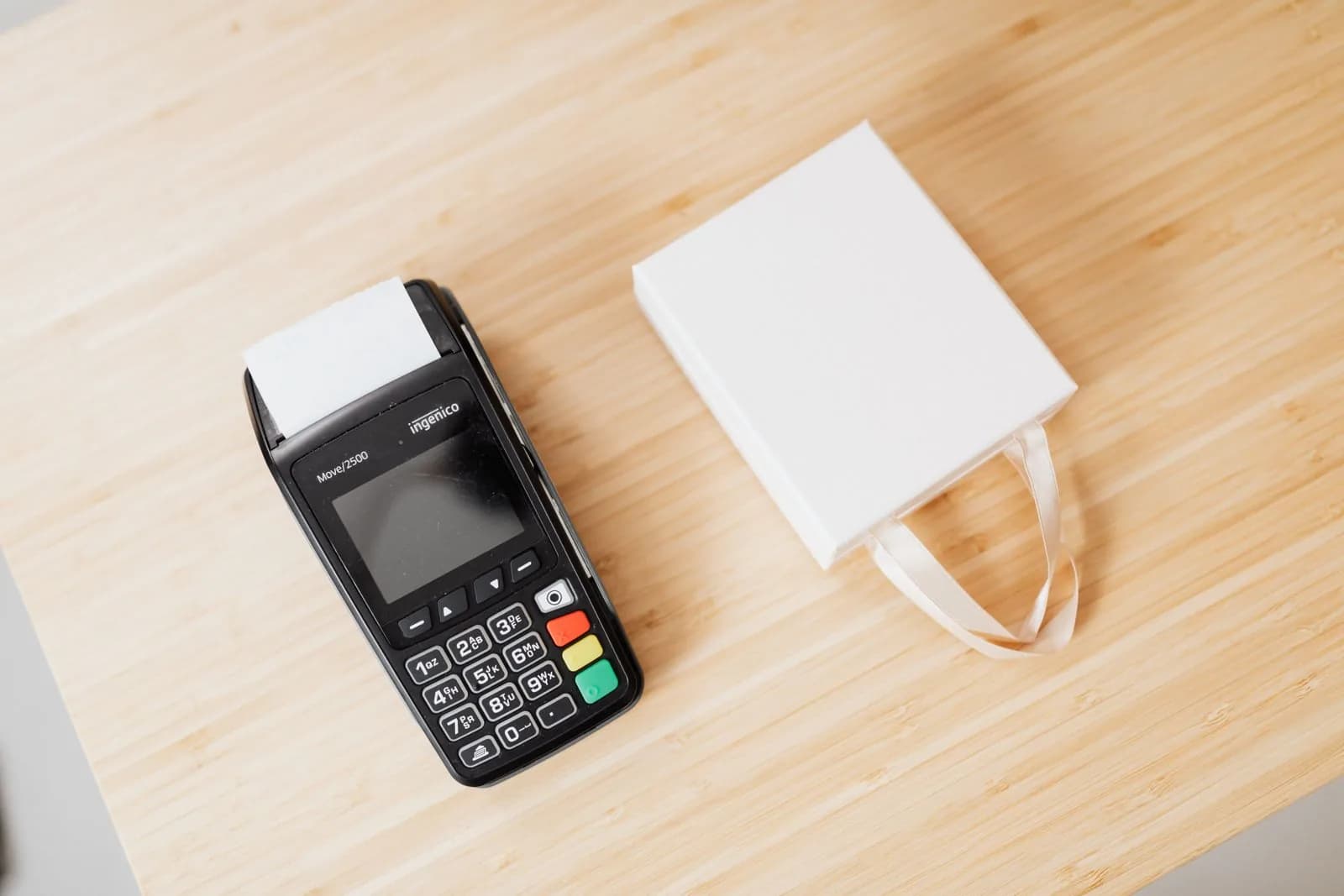
The point-of-sale (POS) is the heart of match night. It must take orders fast, accept every common payment method — mada, Apple Pay, and STC Pay — and keep working even if the internet stutters. Look for a POS that supports offline mode and syncs when the connection returns, splits and merges bills quickly, and lets you add temporary staff with limited access in minutes. Cloud-based systems help here because they scale automatically and let you open extra registers or tablets without new hardware headaches.
Digital ordering that absorbs the rush
The fastest way to reduce queues is to let customers order without waiting for a cashier. QR-code menus at each table, a WhatsApp ordering flow, or a branded mobile app move orders straight into your system. During a match, self-ordering keeps hands free and lines short, and it captures upsells — a second round, a dessert — that a busy cashier would miss. Automating WhatsApp ordering with a smart assistant means customers get instant confirmation even when every human is slammed.
The kitchen: turning orders into throughput
Taking orders quickly is useless if the kitchen cannot keep up. A kitchen display system (KDS) replaces paper tickets with screens that route each item to the right station, track preparation time, and flag orders that are running late. This raises throughput — the number of orders you complete per hour — which is the real ceiling on match-day revenue. Pair it with clear prep-ahead planning for popular items so the first rush does not start from zero.
Reservations, queues, and table turnover
For seated venues, the scarce resource on match night is the table with a view. A digital reservation and waitlist system lets you take bookings in advance, manage a fair digital queue, and notify waiting guests by SMS or WhatsApp when a table opens. Managing turnover with data — knowing average seating time and planning around kickoff — means you serve more guests without overbooking or leaving seats empty.
Inventory and demand forecasting
Running out of your top-selling item mid-match is lost revenue you never recover. Connected inventory tracks stock in real time and warns you before you run low. Better still, historical sales data lets you forecast demand for each match — a popular team, a weekend evening, and a big rivalry all pull different volumes. Data-driven purchasing means you stock enough to sell without over-ordering perishables that spoil after the final whistle.
Loyalty: turning one night into many
The real prize is not one busy evening; it is converting first-time match-day visitors into regulars. A digital loyalty and customer-relationship (CRM) system captures who came, rewards repeat visits, and lets you invite them back for the next match with a targeted message. Without it, the crowd arrives, spends, and disappears. With it, every big match grows your regular base.
Watch it live: the match-day dashboard
All of these systems produce data. Pulling it into one live dashboard — sales per hour, best-selling items, average order time, kitchen delays — lets the manager see problems as they form and react on the night, then review afterward what to do better next match. Decisions made on real numbers beat decisions made on gut feeling during the noise of a full house.
How Origami helps
Origami is a software and AI company that builds exactly this kind of operational technology for Saudi businesses: fast point-of-sale and payment systems, WhatsApp and app ordering, reservation and loyalty platforms, real-time inventory, and management dashboards that tie it all together. We design systems that stay calm under a rush, integrate local payment methods, and give owners a clear view of what is happening. If you want your venue ready for the World Cup 2026 crowd, we can help you prepare.
Conclusion
The World Cup 2026 will fill screens and seats across Saudi Arabia, but the businesses that win the night are the ones whose technology is ready before kickoff. Fast payments, digital ordering, an efficient kitchen, smart inventory, and loyalty that brings the crowd back — these turn a chaotic rush into repeatable revenue. Prepare the systems now, and every match becomes an opportunity instead of a test.
Frequently asked questions
How can a restaurant or cafe prepare its technology for the World Cup 2026 rush?
Focus on the systems that face the surge: a fast, offline-capable point-of-sale that accepts mada, Apple Pay, and STC Pay; digital ordering by QR menu, WhatsApp, or app to cut queues; a kitchen display system to raise throughput; real-time inventory so you do not run out; and a loyalty system to bring the crowd back. Prepare and test them before match day, not during it.
What is the most important system for handling a match-day crowd?
The point-of-sale is the heart of it, because every order and payment flows through it. A POS that works offline, accepts all common local payment methods, and lets you add extra registers quickly prevents the bottleneck that hurts most when the venue is full.
How does digital ordering reduce queues during big matches?
QR-code menus, WhatsApp ordering, and mobile apps let customers order without waiting for a cashier, sending orders straight to the kitchen. This shortens lines, frees staff to serve, and captures extra sales like a second round or dessert that a busy cashier would miss.
Can technology turn match-day visitors into regular customers?
Yes. A digital loyalty and CRM system records who visited, rewards repeat visits, and lets you invite them back for the next match with a targeted message. That converts a one-night crowd into a growing base of regulars.
Follow Origami in Google
Pin Origami as a preferred source and our articles will surface first for you in Google Search and Top Stories.