In this article
- Cashless Stadiums: How You Pay at World Cup 2026 and What It Means for Your Store
- Why are World Cup stadiums going cashless?
- What happens in the second you tap your card?
- The real engineering challenge: the half-time and goal rush
- What happens when the network weakens? Surviving offline
- Security: how is your card protected in a crowd of strangers?
- Practical lessons for your Saudi store and business
- Conclusion

Cashless Stadiums: How You Pay at World Cup 2026 and What It Means for Your Store
In short: the 2026 World Cup stadiums across the United States, Canada, and Mexico do not accept paper cash. Paying in the stands, at food kiosks, and in shops happens only by contactless card or a wallet on your phone or watch. This is not a tech vanity move but deliberate engineering: tens of thousands of fans pay in the very same moments — on arrival, at half-time, and after every goal — and the payment system must swallow that wave in seconds with no queue and no outage. Behind a card you tap for a single second sits a full chain of technology, and it is the same set of building blocks any Saudi store or restaurant needs at peak time.
Why are World Cup stadiums going cashless?
The first driver is speed. A card tap takes under two seconds, while handing over cash and waiting for change can take five times as long. Multiply that gap by tens of thousands of transactions and it becomes queues that either vanish or stretch to the end of the half. The second driver is security: no bulky cash drawers to guard, transport, and count by hand at the end of the night. The third is data: every digital transaction gives the organizer a live picture of sales per kiosk, so they know where stock is running out and where to add staff. Cash hides all of this; digital payment reveals it.
What happens in the second you tap your card?
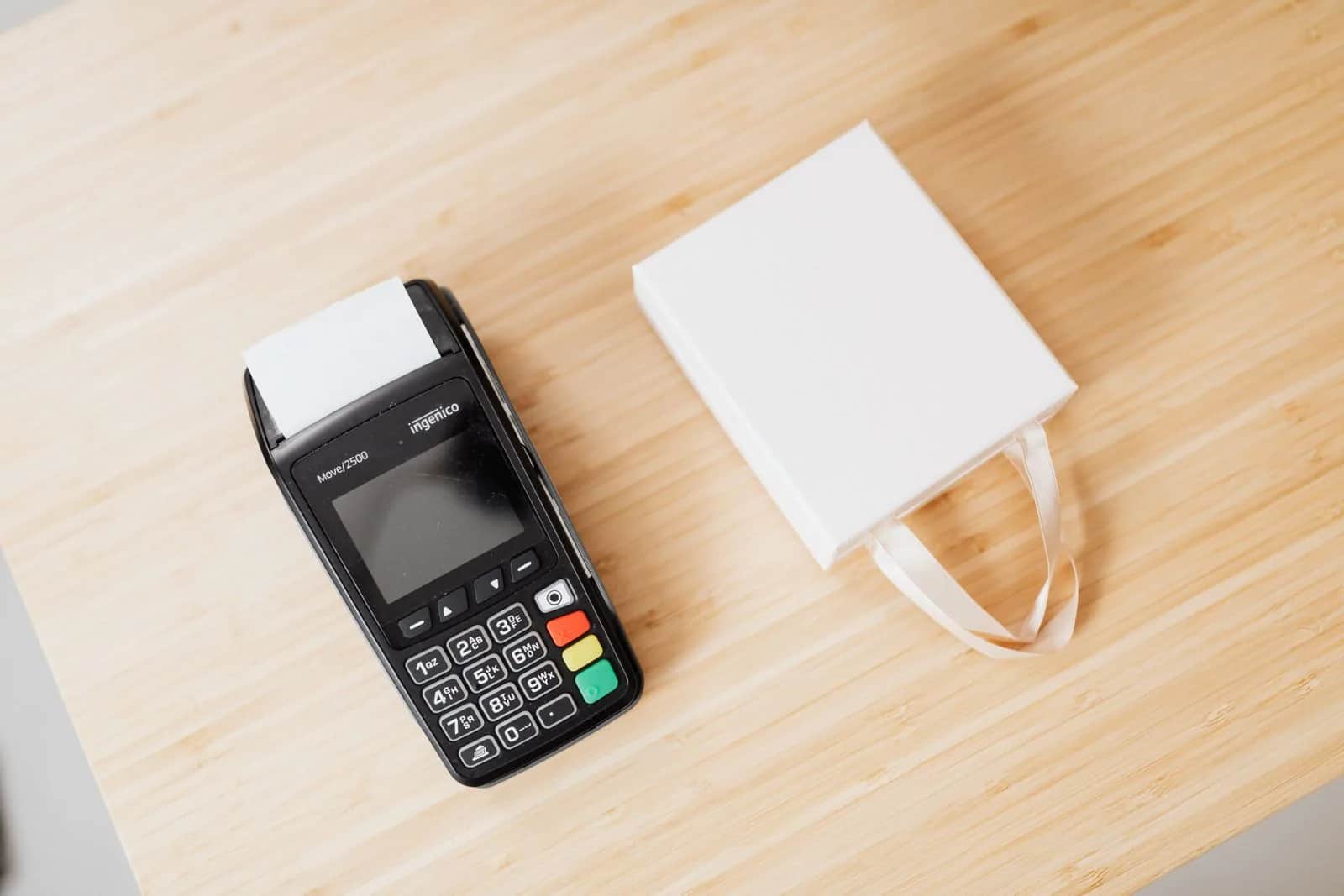
The tap looks simple, but a precise protocol sits behind it. The card or phone talks to the payment terminal over Near-Field Communication (NFC) and sends an encrypted one-time token instead of your real card number — this is tokenization, which makes your data worthless if anyone intercepts it. The terminal passes the request to the payment gateway, which routes it to the card network and then to the issuing bank for approval or decline, with the answer returning in under a second. This entire journey — from kiosk to bank and back — happens thousands of times a minute at peak.
The real engineering challenge: the half-time and goal rush
The hardest part of stadium payments is not the daily volume but its synchronization. Demand is not spread evenly across ninety minutes; it explodes in specific moments: before kick-off, and in the fifteen-minute half-time break when everyone rushes the food kiosks at once. This synchronized peak can push transactions per minute to many times the average, and a system designed for the average collapses here. That is why large payment systems are built to handle the highest expected peak, not the average, with spare capacity and load balancing that spreads requests across many servers so none of them chokes.
What happens when the network weakens? Surviving offline
Picture fifty thousand phones in one building competing for the same network, with payment terminals among them. The connection may slow or briefly drop. A good system does not reject the payment in that case; it relies on offline authorization: the terminal approves a small amount locally against defined risk rules, then stores the transaction and forwards it for processing once the connection returns (store and forward). This technique is the difference between a kiosk that sells without pause and one that stalls at the first network dip. The engineering principle: design for partial failure, because a perfect network does not exist in a packed stadium.
Security: how is your card protected in a crowd of strangers?
Contactless is safer than cash and the old magnetic-stripe card combined. Your card number never travels; what travels is a temporary encrypted token under the global EMV standard. Payment systems comply with the Payment Card Industry Data Security Standard (PCI DSS), which governs how data is stored and moved. Digital wallets add another layer: every payment needs your fingerprint or face on your phone. The result is that a physical theft of the card or a tap on the network gives an attacker no reusable data.
Practical lessons for your Saudi store and business
What happens in the stadium is not far from your store; it is the same principles at a different scale:
- Integrate the payment methods your customer actually uses: in Saudi Arabia that means Mada, Apple Pay, and STC Pay first. Every missing method is an abandoned cart at checkout.
- Make payment the fastest step, not the slowest: every extra second and every extra field raises cart abandonment. Paying with one tap or a fingerprint lifts conversion directly.
- Plan for the peak, not the average: a White Friday, a campaign, or a big match can suddenly multiply your orders. Test your system under realistic load before your customer does.
- Handle failure gracefully: if one gateway stumbles, a fallback option and a clear message should appear — not an error screen that loses the sale.
- Reconciliation and reports: link every payment to your accounting and inventory automatically, so you know your real profit without manual tallying at day's end.
The overarching lesson: the payment experience is not a detail at the end of the journey but the moment you win or lose the sale. Whoever engineers it to hold up at peak wins; whoever leaves it to chance pays the price at the worst possible moment.
Conclusion
The 2026 World Cup stadiums are a miniature lab for the future of payments: contactless, cashless, fast, secure, and built to withstand the fiercest surges of demand. The stars are on the pitch, but what lets tens of thousands buy without a queue is the invisible engineering of payment. And that same engineering — at a scale that fits you — is what keeps your store standing on the day of your big campaign.
At Origami we build and integrate peak-ready Saudi payment systems: integration with Mada, Apple Pay, and STC Pay, a fast checkout page, and smart handling of failures and reconciliation. If you want a payment experience that never loses a sale under pressure, talk to us.
Sources
- FIFA — FIFA extends global partnership with Visa, including FIFA World Cup 2026: inside.fifa.com
- Forbes — Visa's Tap In campaign at the 2026 World Cup: forbes.com
- FIFA — Official 2026 World Cup site: fifa.com
Frequently asked questions
Do World Cup 2026 stadiums accept cash?
Mostly no. The general direction for tournament venues across the United States, Canada, and Mexico is cashless payment: a contactless card or a wallet on your phone or watch. Some stadiums place kiosks that convert cash to a prepaid card for anyone carrying only cash.
What is contactless payment and why is it faster than cash?
It is paying by tapping your card or phone near the terminal over NFC, with no PIN for most amounts. It takes under two seconds versus much longer to hand over cash and wait for change, and that gap is what shrinks queues at peak time.
How do I prepare my Saudi store for a sudden payment surge?
Integrate Mada, Apple Pay, and STC Pay, make the checkout page fast with the fewest fields possible, test your system under realistic load before the campaign, prepare a fallback payment option that appears automatically if a gateway fails, and link payments to inventory and accounting for automatic reconciliation.
Is contactless payment safe for my data?
Yes, and it is safer than cash and the magnetic-stripe card. Your real card number never travels; a temporary encrypted token does under the EMV standard, systems comply with PCI DSS, and digital wallets require your fingerprint or face for every transaction.
Follow Origami in Google
Pin Origami as a preferred source and our articles will surface first for you in Google Search and Top Stories.