In this article
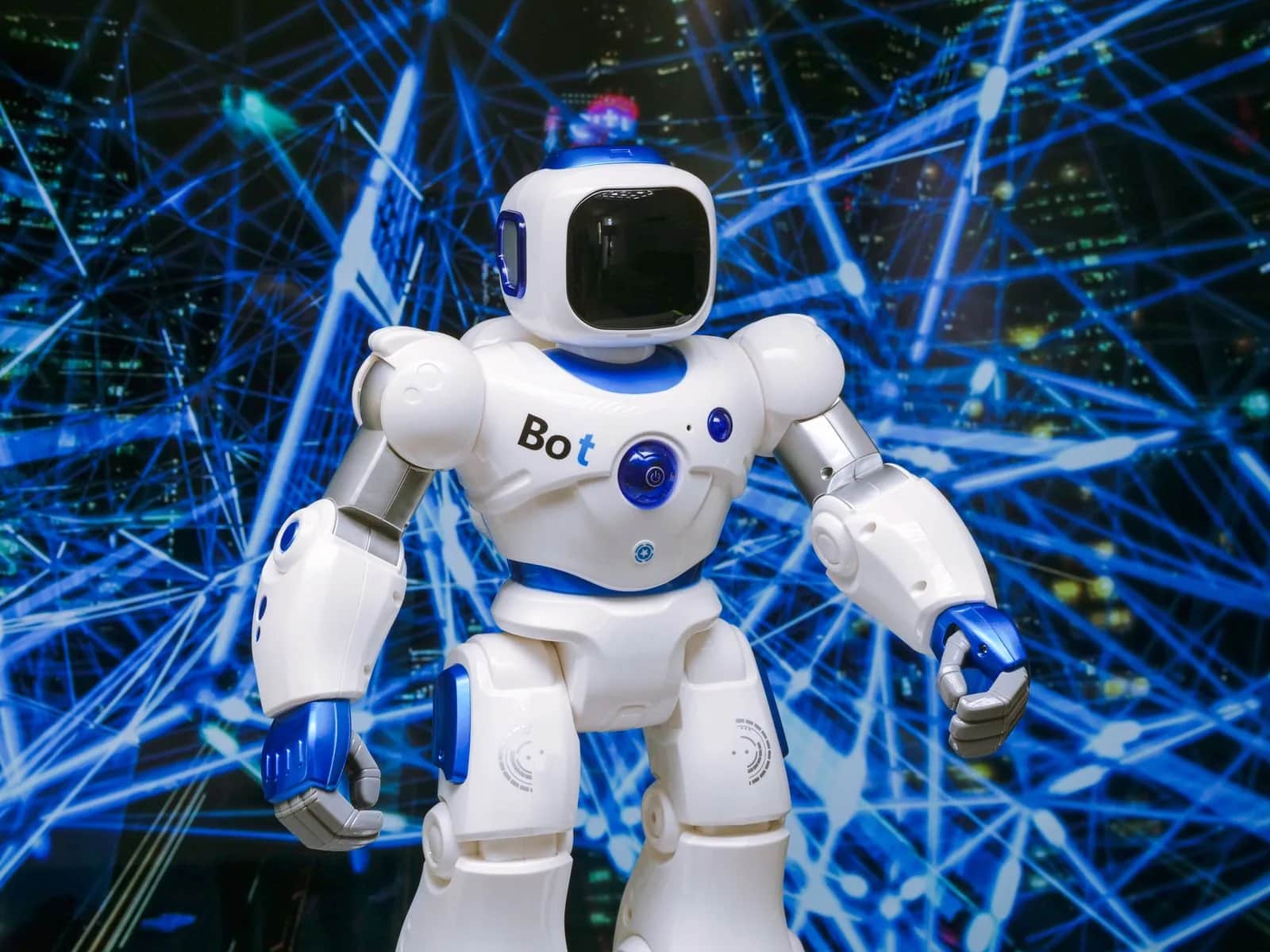
For years, AI in companies was just a chatbot answering questions. But the new generation is different: an "agent" that doesn't stop at answering — it carries out the task from start to finish, reads the request, takes steps, uses your systems, and delivers a result. The question is no longer whether AI can talk, but whether it can work. And that's where the idea of a "digital employee" begins. This article explains what that actually means for your company — without hype and without dismissal.
What's the Difference Between an AI Agent and a Chatbot?
A chatbot replies with a sentence. An agent completes a task. The difference is that the agent can plan a sequence of steps, call on tools and systems (like your order system, email, or database), and act based on the outcome. Ask a chatbot for "my order status" and it explains how to check; ask an agent the same thing and it opens the system, finds the order, and tells you the actual status — it might even send you an update when it changes.
What Can the "Digital Employee" Actually Do?
Not everything, but more than many expect. Real examples running today:
- Handle an order end to end: receives the customer's request, checks availability, creates the invoice, and sends the confirmation.
- Process documents: reads dozens of invoices or contracts, extracts their data, and enters it into your system without intervention.
- Follow up on leads: answers the first inquiry, gathers basic data, and routes qualified leads to a sales rep.
- Repetitive operational tasks: matches figures, updates spreadsheets, prepares the report, and flags anything that needs a human decision.
The common thread: a clear task, describable steps, and systems the agent can connect to.
What Does This Mean for Your Business?
Three practical changes. First, productive capacity expands without a matching expansion in headcount — an "employee" that works around the clock with no leave and no fatigue. Second, the cost of repetitive tasks drops, shifting your spend from mechanical work to work that needs a mind. Third, and most important, your team's role rises: from task executor to agent supervisor and decision owner over what exceeds the agent's ability.
Where Humans Stay Irreplaceable
The agent is a powerful tool, but not a substitute for human judgment. The final decision, legal accountability, the customer relationship in sensitive moments, and exceptional cases that need context — all stay with humans. Successful companies don't ask "how do I replace my employee with an agent," but "how do I let the agent handle the repetitive so my employee is freed for the valuable." Accountability to the customer and regulators remains on you, not the tool.
How to Prepare Your Company Today
Don't wait for the "complete digital employee." Prepare with concrete steps: organize your data and systems, because the agent works on top of them; document one repetitive process you want it to take over; and start with a limited pilot that measures its result before scaling. And mind compliance: if the agent will handle customer data, you're under the Personal Data Protection Law (PDPL), so define which data it accesses and who supervises it before you launch.
Conclusion
Your next employee may not be a person, but an agent that takes over repetitive tasks and works alongside your team. This isn't the end of jobs but a change in their shape: less mechanical execution, more supervision and decision-making. The companies that prepare today — with organized data, a documented process, and a small pilot — are the ones that will benefit first. The tool is coming; readiness is the difference.
At Origami we help Saudi businesses build their first practical AI agent on top of their existing systems, with clear boundaries and human oversight. If you'd like us to pinpoint the best task to start with, get in touch.
Frequently asked questions
What's the difference between an AI agent and a chatbot?
A chatbot answers questions with sentences, while an agent completes the whole task: it plans a sequence of steps, uses your systems (orders, email, databases), and acts on the outcome until it delivers a final output, not just an answer.
Will an AI agent replace my employees?
Most likely not. The agent takes over repetitive, mechanical tasks so your team is freed for decisions, customer relationships, and exceptional cases. The employee's role rises from executor to supervisor and decision owner, and legal accountability stays with humans, not the tool.
How do I start using an AI agent in my company?
Start by organizing your data and systems, document one repetitive process you want to automate, and run it as a limited pilot that measures its result before scaling. And if the agent will handle customer data, define your position on the Personal Data Protection Law (PDPL) before launching.
Follow Origami in Google
Pin Origami as a preferred source and our articles will surface first for you in Google Search and Top Stories.